
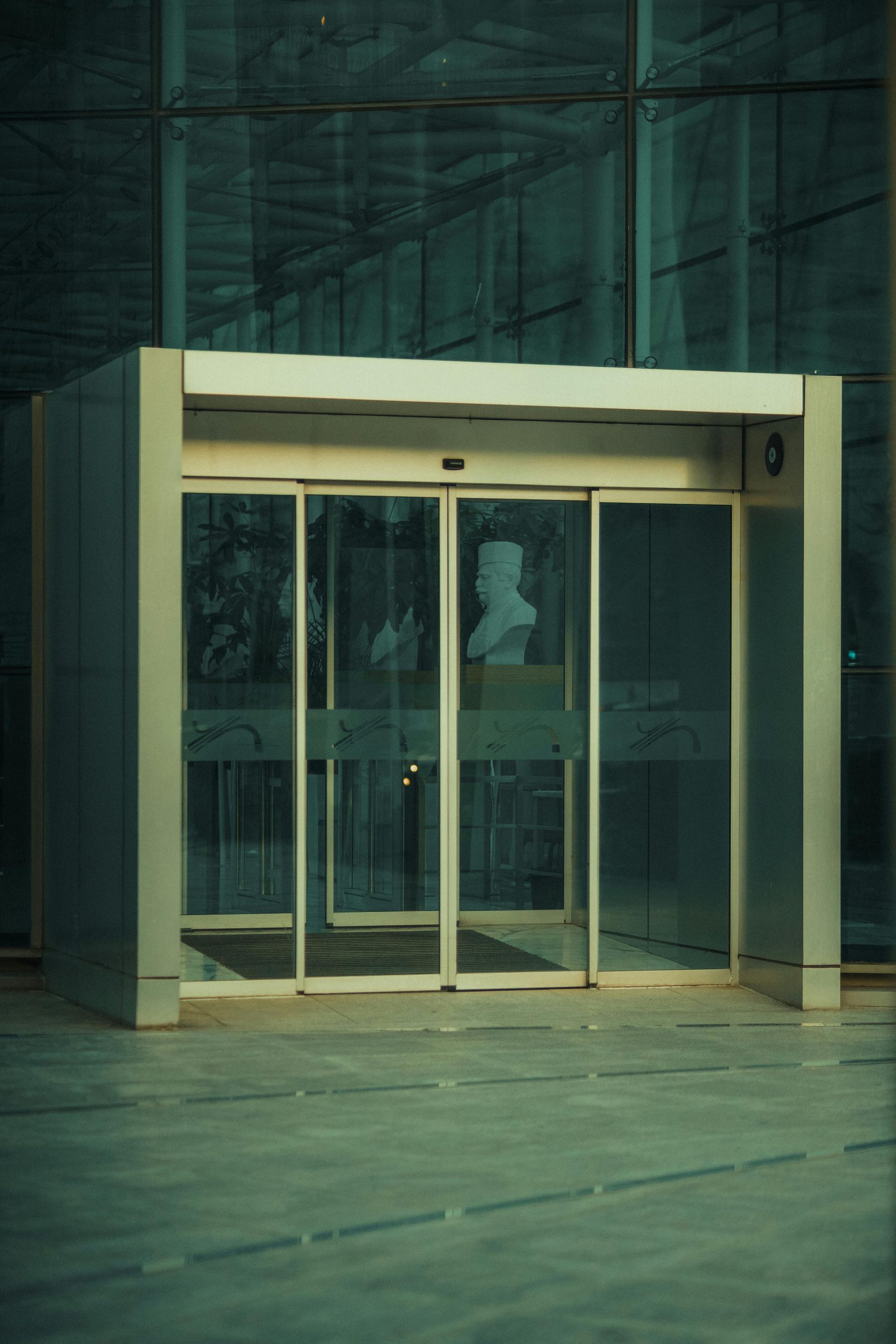
Ever seen a door open by itself? That’s called ghosting. Your automatic door opens when nobody’s there. It’s annoying and wastes energy. You need to fix it.
This problem is common in Australia. Both homes and stores deal with it. The good news is you can fix most issues yourself. This guide shows you how to stop automatic door systems from acting weird.
Key Takeaways
- Clean your sensors once a month to stop most false triggers.
- Adjust sensor angles to fix unwanted door openings.
- Cold weather can make sensors work badly.
- Turn your system off and on to fix many problems instantly.
The Reason Why Doors Open by Themselves
Door ghosting means your automatic doors open without reason. Nobody’s near the door, but it opens anyway. This happens with sliding doors and swing doors. Some people call it a phantom operation.
Why Automatic Door Sensors Fail
Your automatic door operator uses sensors to see people. When sensors get confused, doors open randomly. Here’s what causes problems:
- Dirt on sensor lenses
- Plastic bags or leaves blowing by
- Shiny floors reflecting light back
- Vibrations from other machines
How Sensors Work
Auto door systems use different sensors. Motion sensors see you walking up. Safety sensors stop doors from hitting you. When one sensor breaks, ghosting starts.
Weather and Environment Problems
Can weather conditions affect automatic door sensors? Yes. Rain and cold weather mess up sensors. Ice builds up and blocks beams. Wind creates pressure that confuses detectors. Your automatic door troubleshooting gets harder in winter.
Sunlight Makes Things Worse
Bright sun blinds sensors at certain times. Shiny floors bounce light upward. Glass doors create fake reflections. Sensors think these reflections are people walking.
Air Vents Cause Issues
Air conditioning blows signs near doors. Heat creates temperature changes. Even small air movements trigger sensitive automatic door solutions. Check if vents point at your door.
Cleaning and Fixing Sensors
Dirt causes most false triggers. Wipe sensor lenses with a soft cloth every month. Remove spider webs. This simple step prevents most automatic door repair problems.
Proper Calibration Of Automatic Doors?
Walk toward your door from different spots. It should open when you’re 3-5 feet away. If it opens too early, calibration is wrong. Most auto door operators have adjustment dials you can turn.
Adjust Detection Zones
Your sensors can be adjusted. Make the field narrower if sidewalk people trigger it. Point sensors down slightly. Turn down sensitivity on windy days.
| Problem | Quick Fix | Time |
| Dirty sensors | Clean with a cloth | 5 minutes |
| Too sensitive | Turn down the dial | 10 minutes |
| Wrong angle | Adjust mount | 15 minutes |
| Power issue | Turn off and on | 2 minutes |
Common Problems and Easy Fixes
What causes automatic doors to trigger without anyone near? Three things cause phantom triggers. Sensors point the wrong way. Phones or radios confuse signals. Control boards fail and send random signals.
Prevent It From Opening by Itself
Turn off the power to your auto door. Wait 30 seconds. Turn it back on. This clears glitches. Try this first. Many automatic door malfunctions disappear right away.
Remove Things That Trigger Sensors
Walk around your door. Look for moving plants or swinging signs. Even small movements trigger sensors. Clear 6 feet around the door. Move the displays back from the entrance. This stops most false activations and helps with preventing automatic door false triggers.
Maintenance Tips
Spend two minutes checking your door daily. Watch how it works. Listen for weird sounds. Look at sensor lights. Notice if timing changes.
Best Practices for Maintaince Of Automatic Doors
Clean the sensors monthly. Oil moving parts every three months. Get professional checks yearly. Keep tracks clear. Test safety features. Write down any problems you see.
When to Call Help
Some problems need experts. Call professionals if restarting doesn’t work. Get help when sensors won’t adjust. Contact commercial door specialists if ghosting happens many times daily.
Emergency Steps
What should I do if my automatic door keeps malfunctioning? Switch to manual mode if you can. This keeps people safe. Clean all sensors right away. Check for things blocking the door. Try turning the power off and on. Write down when ghosting happens.
Keep a Log
Write down every problem. Note the date and time. Record weather. Write what the door did wrong. This helps professionals find the real cause.
Conclusion
Door ghosting is fixable. Dirty sensors cause most problems. Weather and electronic glitches cause others. Regular cleaning prevents issues before they start.
Clean your sensors today. Watch your door for patterns. Call professionals if problems continue. These steps keep your automatic door solutions working right.
Stop phantom doors now. Your auto doors should work safely every day. Whether you need automatic residential door systems or commercial help, proper care makes everything better.
FAQs
1. Do automatic doors require special permits or inspections in Australia?
Most commercial automatic doors need compliance inspections for disability access standards. Residential installations typically don’t require permits. Check with local councils for specific requirements.
2. Can I disable my automatic door temporarily without damaging it?
Yes, switch to manual mode using the control panel or disconnect power at the circuit breaker. Consult your manual for proper shutdown procedures.
3. Why does my automatic door open at night with no one around?
Nighttime ghosting often stems from infrared sensors picking up heat from nearby lights or animals. Cover or reposition sensors to ignore low-level heat sources.
4. Are there smartphone apps to control automatic door systems?
Modern automatic door operators increasingly offer app-based controls to monitor status, adjust schedules, and receive alerts. Older systems may need upgrades for smart features.
5. How do I stop automatic doors from triggering by passing cars?
Vibrations and headlights from cars fool external sensors. Extend the detection range inward or add vehicle-filter settings if available. Relocate sensors away from roadsides.