
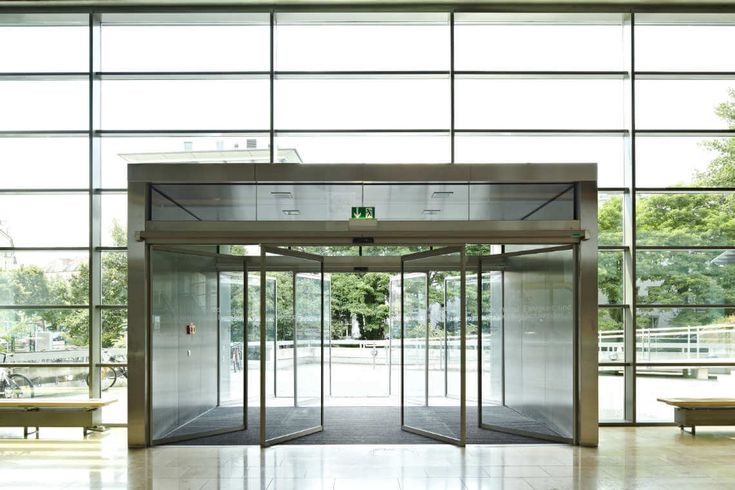
Your automatic sliding door worked perfectly for months. Now it hesitates. Sometimes it stops mid-cycle. Other times it won’t open at all. A line of frustrated customers forms at your entrance. Staff manually hold doors open. Your professional image suffers with every malfunction.
This scenario plays out daily across Melbourne. Shopping centres, hospitals, office buildings, and retail stores face the same problem. High-traffic automatic doors weren’t designed for the punishment they receive. Standard doors handle average use. Your entrance sees constant traffic.
The mismatch causes premature failure. Understanding why doors fail helps you prevent breakdowns. This guide explains common failure points. It shows you how to future-proof automatic door entrances for years of reliable service.
Key Takeaways
- Automatic sliding doors fail from worn rollers and misaligned tracks; detect early to avoid breakdowns.
- Heavy-duty commercial models outperform standards for high-traffic, saving money long-term.
- Regular maintenance prevents emergencies and extends lifespan.
- Calibrate sensors for optimal speed, user experience, and HVAC efficiency.
Why Automatic Sliding Doors Break Down in High-Traffic Facilities
Why Automatic Sliding Doors Break Down in High-Traffic Facilities. And How to Prevent Costly Downtime. Understanding failure patterns helps you stop problems before they start.
The Root Cause of Failures
Why automatic door keep getting stuck? The answer usually involves wear exceeding design limits. Standard doors expect moderate use. Busy entrances demand constant operation. Components age faster than expected.
Every opening cycle creates wear. Rollers grind against tracks. Motors heat up. Sensors process signals continuously. Multiply this by thousands of daily cycles. Components age rapidly under this pressure.
Signs of excessive wear include:
- Slower opening and closing speeds
- Grinding or scraping noises during operation
- Hesitation before movement begins
- Inconsistent sensor response patterns
- Visible track damage or debris buildup
Motor Overload Issues
Choose the Right Replacement for Heavy-Use Facilities. Undersized motors strain under constant use and eventually burn out completely.
Standard motors handle standard loads. Heavy glass panels need stronger motors. High cycle counts need commercial-grade operators. Mismatched components fail prematurely. The motor works harder than designed. Heat builds up. Internal components degrade. Eventually, the motor stops working entirely.
Warning signs of motor stress include unusual humming sounds, slow operation, and intermittent failures during peak traffic times.
Fix Stuck Sliding Doors Fast: Diagnose and Resolve Roller Wear
Diagnose and resolve roller wear before it halts your business. Worn rollers cause most door failures and create cascading damage when ignored.
Roller Inspection Process
Auto sliding door troubleshooting starts with the rollers. They’re the most common failure point. Inspection takes minutes but prevents hours of downtime. Catching roller problems early saves money and frustration.
Check for these roller problems:
- Flat spots from constant weight bearing
- Debris buildup in roller housings
- Cracked or chipped wheel surfaces
- Loose mounting brackets are creating a wobble
- Uneven wear patterns across rollers
Rollers are consumable parts. They need replacement periodically. Don’t wait for complete failure. Replace them when wear becomes visible. This prevents track damage that costs more to fix.
Track Alignment Solutions
Are your noisy sliding doors driving staff crazy? Silence them with these alignment fixes. Misaligned tracks force rollers to work harder and create irritating sounds that echo through your facility.
Tracks shift over time. Building a settlement causes movement. Impacts from carts and equipment bend rails. Even small misalignments create big problems. Doors stick. Noises develop. Wear accelerates.
Professional realignment restores smooth operation. Technicians adjust track positions. They level mounting surfaces. They ensure proper clearances throughout the door’s travel path.
How to Calibrate Your Automatic Sliding Door Sensors
How to calibrate your automatic sliding door sensors to save your HVAC Budget. Poorly calibrated sensors waste energy by keeping doors open too long or frustrate users by responding slowly.
Understanding Sensor Function
How to troubleshoot sliding door sensors starts with understanding how they work. Motion sensors detect approaching people. Safety sensors prevent closing on obstacles. Presence sensors keep doors open when someone stands in the doorway.
Each sensor type needs proper calibration. Too sensitive means constant false activation. Not sensitive enough means missed detections and collisions. Both extremes cause problems for users and equipment.
Common sensor issues include:
- Detection zones set too wide or too narrow
- Sensitivity levels are inappropriate for traffic
- Dirty sensor lenses are causing misreadings
- Interference from nearby equipment
- Weather conditions affecting performance
Balancing Energy and User Experience
Doors staying open too long wastes conditioned air. Your HVAC works harder. Energy bills increase. Building comfort decreases. Hot or cold air rushes through open doorways constantly.
Proper calibration means quick detection of approaching people. It provides appropriate hold-open times for safe passage. It ensures fast closing after clearance. It maintains a reliable safety sensor response throughout operation.
Work with technicians to find the right balance. Test settings during actual traffic conditions. Adjust based on user feedback and energy monitoring.
A Manager’s Guide to Picking Doors for Medical Facilities
A Manager’s Guide to Picking an Automatic Sliding Door That Won’t Slow Down Your Medical Team. Healthcare environments demand reliability that standard commercial doors often can’t provide.
Choosing the wrong doors creates daily frustrations. Staff wait for slow doors during emergencies. Gurneys get stuck in narrow openings. Equipment bumps against frames. Patient transport slows down. These problems compound during busy shifts when every second matters.
Healthcare-Specific Requirements
Hospitals need doors that work every time without fail. Emergency situations demand instant response. Staff push gurneys through constantly throughout shifts. Wheelchair access is essential for patient dignity. Failure isn’t an option when lives depend on quick movement.
Best automatic doors for retail stores differ significantly from hospital requirements. Healthcare facilities have unique needs:
- Wider openings for the gurney and equipment passage
- Faster response times for emergency situations
- Higher cycle ratings for constant daily traffic
- Hands-free activation reduces contamination risk
- Durable construction withstanding equipment impacts
Evaluating Door Performance
Consider how doors perform under pressure. Test them during simulated busy conditions. Watch how they handle rapid successive openings. Check response times with different approach speeds.
Key performance factors include:
- Opening speed from sensor activation
- Hold-open duration for safe passage
- Closing speed after clearance detection
- Recovery time between cycles
- Reliability during continuous operation
Making the Right Investment
Medical facility doors cost more than standard options. This investment pays off through reliability. Fewer breakdowns mean uninterrupted patient care. Faster operation improves emergency response times. Proper sizing prevents equipment damage and delays.
Work with suppliers experienced in healthcare installations. Ask for references from similar facilities. Verify their understanding of medical environment requirements. Ensure they provide responsive ongoing support for maintenance needs.
Hospital & Healthcare Entry Doors: How Poor Sliding Door Design Increases Infection Risk
Hospital & Healthcare Entry Doors: How Poor Sliding Door Design Increases Infection. Door design affects infection control significantly. The wrong doors spread germs between zones. The right doors help contain contamination. Every design choice matters in healthcare settings.
Key Infection Control Features
Touchless sensors reduce contact transmission opportunities. Proper sealing prevents contaminated air movement between zones. Smooth surfaces allow thorough cleaning and disinfection.
Healthcare doors should include:
- Hands-free activation to eliminate touch points
- Tight seals prevent air leakage between areas
- Smooth surfaces without crevices where germs hide
- Materials resistant to harsh cleaning chemicals
- Quick opening speeds reduce exposure time
Additional Considerations
Consider these upgrades for healthcare entrances:
- Antimicrobial finishes on any touch surfaces
- Air curtain integration to separate environments
- Automatic closing to minimize open time
- Easy-clean track covers prevent debris buildup
- Compatible materials for UV disinfection systems
Ensure doors support your facility’s infection control protocols completely. Work with suppliers who understand healthcare requirements. Document compliance for accreditation purposes.
Wheelchair Blockages and Accessibility Compliance
Optimize sliding door width and speed for full accessibility. Proper settings ensure everyone enters safely regardless of mobility devices or assistance needs.
Meeting Accessibility Compliant Standards
Are your automatic sliding doors creating accessibility complaints? Non-compliant doors create legal liability and exclude potential customers from your business entirely.
Accessibility requirements include minimum clear opening widths for wheelchair passage. Maximum closing force limits protect slow-moving individuals. Adequate hold-open times allow safe passage. Proper detection of mobility devices prevents collisions.
Accessibility standards evolve regularly. Stay current with requirements. Audit your entrances periodically. Address deficiencies before complaints arise.
Legal Compliance Risks
Is your entrance compliant? The hidden legal risks of non-compliant automatic sliding doors in commercial buildings. Violations create liability exposure and potential discrimination claims that damage your reputation.
Building codes specify clear requirements. Insurance policies assume compliance. Non-compliant doors create significant exposure. Regular audits ensure continued compliance with current standards.
Work with qualified installers who understand requirements. Document compliance for insurance purposes. Address any identified issues promptly.
Emergency Situations and Power Failures
Emergencies & automatic sliding doors: what happens during a power failure? Your doors must function during emergencies, or people get trapped inside your building.
Backup Power Options
Power failures happen unexpectedly. Storms, accidents, and grid problems cause outages. Your doors need backup plans. Battery systems maintain operation during outages. Manual overrides allow emergency egress regardless of power status.
Consider these backup features:
- Battery backup for continued automatic operation
- Manual release mechanisms accessible to all users
- Breakaway panels for emergency evacuation
- Automatic fail-safe positions during failures
- Integration with fire alarm systems cheap
Fire Safety Integration
Automatic doors integrate with fire alarm systems. They may need to close during fires to contain the smoke. They may need to open for evacuation routes. Proper programming ensures a correct response in each scenario.
Test fire system integration regularly. Verify correct response to alarm conditions. Document testing for compliance records. Update programming when fire systems change.
Automatic Sliding Door Repair vs Replacement Decisions
Automatic sliding door repair vs replacement: when are you throwing money away? Sometimes repair costs exceed the value of keeping old equipment running properly.
When Repair Makes Sense
Commercial automatic door repair makes sense for newer doors with minor issues. Single-component failures usually warrant repair. Well-maintained doors deserve continued investment in their operation.
Repair usually makes sense when doors are relatively new. When damage is limited to one component. When parts remain available from suppliers. When the overall condition is good despite the current problem.
When Replacement Is Smarter
The cost of automatic door operator replacement seems high initially. But constant repairs add up quickly. Older doors consume more in maintenance than replacement costs over time.
Why do cheap automatic sliding doors cost more over 5 years (lifecycle cost breakdown)
Lifecycle costs include repairs, energy waste, and downtime that budget options create throughout their lifespan.
Consider replacement when repairs become frequent occurrences. When parts are discontinued by manufacturers. When energy efficiency is poor compared to modern options. When technology is outdated and limiting functionality.
The Commercial Buyer’s Checklist for Selecting Suppliers
The Commercial Buyer’s Checklist for Selecting a High-Performance Automatic Sliding Door Supplier. Choosing the right partner matters as much as choosing the right door for your facility.
Evaluation Criteria
Not all suppliers offer equal value. Look beyond initial pricing. Consider long-term support and service capabilities. Evaluate their track record with similar facilities.
| Factor | What to Evaluate | Why It Matters |
| Product Range | Options for your needs | Proper fit for the application |
| Installation | Experience and quality | Reliable performance |
| Service | Response times | Minimal downtime |
| Parts | Availability | Quick repairs |
| Warranty | Coverage terms | Cost protection |
Heavy Duty Options
Heavy-duty commercial sliding doors cost more upfront. They save money over time. Fewer repairs needed. Longer lifespan expected. Better reliability throughout operation. Quality residential doors and commercial options exist for every application and budget level.
Choose sliding framed and frameless options based on your aesthetic and functional requirements. Each style offers different benefits worth considering.
Commercial Automatic Door Maintenance Checklist
Commercial automatic door maintenance checklist items prevent most failures before they happen. Regular service catches problems early. Scheduled maintenance costs less than emergency repairs.
Monthly Staff Checks
Staff can perform basic monthly checks. No technical expertise required. Simple observations catch developing problems before they become serious.
Monthly inspection items:
- Listen for unusual noises during operation
- Watch for hesitation or jerking movements
- Check sensor response times manually
- Look for visible damage or debris
- Test the safety sensor function with obstacles
Professional Service Requirements
Automatic sliding framed and frameless door maintenance by professionals should occur regularly. Technicians spot problems staff miss. They adjust settings and replace worn parts. They document conditions for warranty purposes.
Professional service includes a complete mechanical inspection of all components. Lubrication of moving parts as needed. Sensor calibration checks and adjustments. Electrical connection testing for safety. Safety system verification for compliance.
Conclusion
Automatic sliding door failure doesn’t happen suddenly. Warning signs appear first. Hesitation, noise, and inconsistent operation signals are developing problems. Early intervention prevents a complete breakdown and costly emergency repairs.
Your entrance creates first impressions. Malfunctioning doors frustrate customers. They slow down operations during busy periods. They create safety hazards for all users. They damage your professional image with every malfunction. Reliable doors support your business goals effectively.
Take action today. Inspect your current doors for warning signs. Schedule professional maintenance immediately. Evaluate whether repairs or replacement make sense for your situation. Invest in quality equipment that handles your actual traffic levels. These steps ensure your entrance serves you reliably for years ahead.
FAQs
1. What are the most durable sliding doors for a high-traffic entrance?
Heavy-duty operators with reinforced tracks handle hospital traffic best. Look for high cycle ratings and commercial-grade components. Touchless activation reduces infection risk significantly. Wide openings accommodate gurneys and wheelchairs easily.
2. How to prevent mechanical failure in commercial sliding doors during peak hours?
Schedule maintenance during off-peak times regularly. Replace wear components before failure occurs. Install doors rated above your actual traffic volume. Keep sensors clean and properly calibrated always. Address unusual noises immediately.
3. What is the average lifespan of a commercial sliding door operator under heavy use?
Lifespan depends on quality, maintenance, and traffic volume. Well-maintained commercial operators last longer than neglected ones. Regular service extends lifespan dramatically. Heavy-duty models outperform standard options consistently.
4. Why does my automatic door fail in busy entrances?
Standard doors aren’t designed for constant use patterns. High cycle counts exceed design limits quickly. Rollers wear faster than expected. Motors overheat under constant demand. Commercial-grade equipment handles busy entrances better.
5. How to make an automatic door last longer in malls or hospitals?
Follow strict maintenance schedules without exception. Clean sensors weekly to maintain accuracy. Lubricate tracks monthly to reduce friction. Replace rollers before complete failure. Use doors rated for your traffic volume