
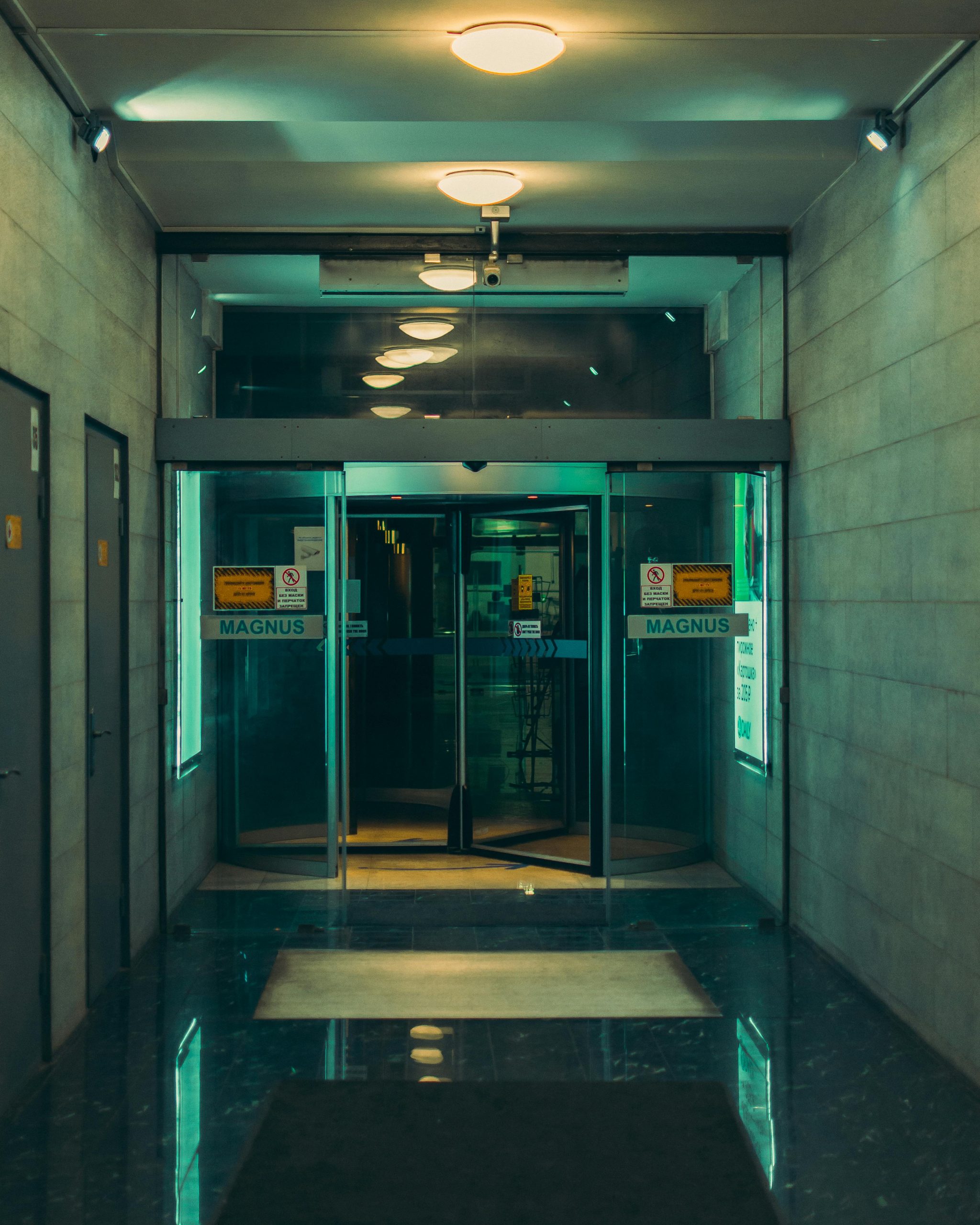
Your emergency team rushes a patient through the entrance. The automatic door hesitates. Two seconds pass. Then three. In healthcare, those seconds matter more than anywhere else.
If you manage a medical facility in Australia, you know this problem well. Choosing the right sliding doors affects everything from patient outcomes to staff stress levels. Hospital automatic doors aren’t just about convenience. They’re about keeping your operation running smoothly. This guide helps you pick a system that keeps pace with your team.
Key Takeaways
- Automatic doors should open in under one second to keep emergency teams moving without delays.
- Framed glass doors handle heavy traffic better, while frameless designs suit interior spaces.
- Touchless sensors reduce infection risks and eliminate high-touch surfaces in clinical areas.
- Plan for quarterly maintenance to avoid unexpected door failures during busy hours.
Why Door Speed Matters in Medical Facilities
Every medical centre runs on time. When staff move quickly, doors must match their pace.
Commercial door automation in healthcare differs from retail settings. Your team may push stretchers, wheelchairs, and equipment through these openings dozens of times daily. Slow doors create bottlenecks. They frustrate staff. Worse, they can compromise patient care during critical moments.
Modern automatic sliding doors in Australian facilities can achieve opening speeds under one second. This speed keeps traffic flowing without forcing anyone to wait.
Framed vs Frameless Designs For Clinics
Picking between framed and frameless options confuses many managers. Both work well. But each suits different situations.
A quick note before diving in: your choice depends on traffic volume, location, and aesthetic goals.
Framed Glass Sliding Doors
Framed sliding doors use metal borders around each glass panel. This adds structural strength.
- Best for: Main entrances with heavy foot traffic
- Durability: Handles frequent use without glass stress
- Look: Professional, clearly defined door boundaries
Many medical center door systems use framed glass sliding doors at primary access points. The frame absorbs impact better than frameless sliding doors.
Frameless Toughened Glass Doors
Frameless toughened glass doors create seamless, modern appearances. They use thicker glass to compensate for the missing frame.
- Best for: Interior transitions, waiting areas, low-impact zones
- Aesthetic: Clean, open, visually spacious
- Consideration: Requires careful installation and quality hardware
Frameless glass automatic doors work beautifully in spaces where you want minimal visual barriers. Think consultation wing entrances or private clinic lobbies.
How Automatic Door Sensors Work for Medical Teams
Understanding automatic door sensor types for medical teams helps you choose wisely. Not all sensors suit healthcare environments.
1. Motion Detection Systems
Motion sensors trigger when someone approaches. They’re common and reliable.
Standard motion detection works well for general entrances. However, sensitivity settings matter. Too sensitive, and doors open for passing foot traffic. Not sensitive enough, and the staff must slow down.
2. Presence and Safety Sensors
Presence sensors detect when someone stands in the doorway. Safety sensors prevent doors from closing on people or objects.
- Infrared sensors: Detect body heat, useful for hands-free operation
- Pressure mats: Activate when stepped on, highly reliable
- Light curtains: Create invisible detection zones across openings
For clinic access control solutions, combining motion and presence sensors creates the safest setup.
What Makes a Door System Right for High Traffic Clinics
Finding the best automatic doors for high-traffic clinics means balancing several factors.
Sliding doors in Australian medical facilities must handle thousands of cycles monthly. The automatic sliding door operator, the motor unit, determines reliability. Quality operators last year. Cheap ones fail within months.
Glass sliding doors in Melbourne clinics present unique challenges. Temperature swings between seasons test seals and mechanisms. Dust and debris affect sensors. Choose systems designed for Australian conditions.
| Feature | Standard Doors | Medical-Grade Doors |
| Opening Speed | 1.5-2 seconds | 0.5-1 second |
| Daily Cycle Rating | 500 cycles | 2,000+ cycles |
| Sensor Type | Basic motion | Multi-zone detection |
| Backup Power | Rarely included | Battery backup standard |
| Hygiene Features | Manual override | Touchless operation |
Touchless Entry and Infection Control
Touchless entry systems in healthcare facilities have become essential. Every surface patients and staff touch can spread germs.
Sliding glass doors with wave-to-open sensors or automatic activation eliminate touch points. This supports infection control without slowing anyone down. Energy-efficient hospital entrance solutions also help here. Faster door cycles mean less time open, reducing air exchange between zones.
Modern systems integrate with clinic access control solutions like key cards or biometric readers. Staff enter secured areas without touching handles or buttons.
How Sliding Doors Support Staff Wellbeing
Here’s something most door companies won’t tell you. How sliding doors facilitate staff well-being in healthcare environments goes beyond convenience.
When doors respond quickly, staff feel less frustrated. They don’t fight their building. Physical strain reduces too. No pushing heavy swing doors while managing equipment.
Quiet automatic sliding door operator units keep noise low. This helps staff concentrate. It lets patients rest. Small details like smooth operation affect workplace satisfaction more than most managers realize.
A Realistic Look at Automatic Doors
Let me be honest with you. Automatic doors aren’t perfect for every situation.
- Maintenance demands: These systems need regular servicing. Skipping maintenance leads to failures at bad times. Budget for quarterly checks at a minimum.
- Power dependency: During outages, some systems lock up. Others default to manual operation. Ask about backup power options before buying.
- Installation disruption: Fitting automatic doors takes time. Your entrance may close for a day or more. Plan around patient schedules.
- Learning curve: Staff need brief training on emergency manual overrides. Don’t assume everyone knows how these systems work.
Going in with realistic expectations helps you plan properly. The benefits outweigh these concerns for most medical facilities. But ignoring them causes problems later.
Conclusion
The right automatic sliding doors keep your medical team moving at full speed. They support hygiene, reduce staff strain, and handle heavy daily use. For Australian healthcare facilities, choosing quality systems pays off in reliability and safety.
Take these three steps today: first, audit your current door speed and failure rates. List which entrances need framed versus frameless options. And then request demonstrations from suppliers with healthcare experience.
Your team deserves doors that work as hard as they do. The right choice makes their jobs easier and your facility safer.
Frequently Asked Questions
1. How often should automatic sliding doors in a clinic be serviced?
Every 3–4 months for high-traffic healthcare settings. Regular servicing prevents sensor failures, jammed tracks, and slow response during peak periods, keeping doors safe and reliable.
2. Why one side of my sliding door doesn’t close properly?
Misaligned panels, worn rollers, or track debris prevent full closure. A technician can realign hardware, clean tracks, and adjust the motor to restore smooth, even closing on both sides.
3. Are automatic sliding doors safe for people in wheelchairs and with mobility aids?
Yes, when properly designed with wide openings and slow-stop closing. Healthcare-grade sliding doors accommodate wheelchairs, gurneys, and walking frames safely and reliably.
4. How can I reduce noise from automatic sliding doors in a ward?
Install quality motors with soft-stop closing and maintain regular lubrication. Smooth rollers, proper alignment, and periodic servicing keep doors quiet for staff and patients.
5. Why do automatic doors sometimes ignore people standing very close?
Incorrectly positioned or poorly adjusted sensors create blind spots near the threshold. Re-aiming the sensor and fine-tuning range settings fixes missed detections and restores smooth traffic flow.