
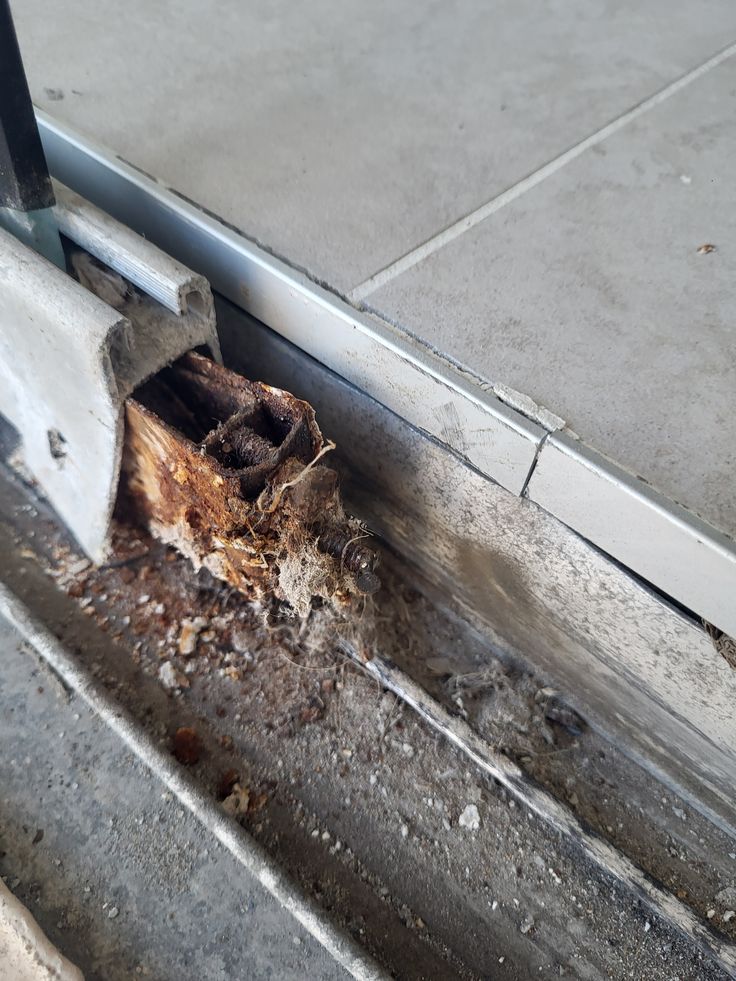
You also hear that grinding screech every time someone enters your office. It’s not just an annoying sound. It’s killing your professional image. Clients notice it, and employees get distracted. That metal-on-metal sound means something is wearing down fast.
The good thing is that most noisy sliding door problems come from three fixable issues. Such as dirty tracks, worn rollers, or misalignment. Whether you have framed sliding doors or frameless sliding doors, you’ll learn exactly what’s causing the noise and how to stop it. This is a complete overview of door systems, first? We have complete automatic door solutions for Australian businesses.
Key Takeaways
- Diagnosis comes before repair. Sound type indicates the exact problem source.
- Alignment adjustments follow quarter-turn increments. Larger turns risk track damage.
- Cleaning frequency depends on foot traffic. Commercial spaces need weekly attention.
- Automatic systems have different repair boundaries. Knowing them protects your warranty.
Why Do Sliding Doors Start Making Noise?
Your sliding glass doors were silent when new. Now they grind and screech. Let me tell you what changed.
Three things fail over time.
- The head track collects dust.
- The ball-bearing rollers wear down.
- The active panel shifts out of alignment.
Fix noisy sliding door problems early to avoid bigger repairs.
1. Debris Buildup in Tracks
Aluminum tracks collect dirt, hair, and small particles daily. This debris creates friction. Friction causes noise. In commercial spaces, the problem gets worse faster. More foot traffic means more dirt. Glass sliding doors in Melbourne offices face this constantly due to high daily use.
2. Worn or Damaged Rollers
Ball-bearing rollers spin thousands of times per week. Eventually, they wear out. When they do, you hear that awful grinding. Plastic rollers fail faster than metal ones. If your doors are over five years old, worn rollers are likely the culprit.
3. Track Misalignment Issues
Track misalignment also makes doors harder to open. You might notice the door sticking at certain points along the track. Over time, the track shifts slightly. That small shift creates big noise.
Diagnose Your Sliding Door Problem
Before grabbing tools, figure out what’s actually wrong. This saves time and prevents unnecessary repairs.
The Sound Test
Listen carefully as the door moves.
|
Sound Type |
Likely Cause |
Fix Needed |
|
Grinding/scraping |
Debris in the track |
Deep cleaning |
|
Squeaking |
Dry rollers |
Lubrication |
|
Metal-on-metal |
Worn rollers |
Roller replacement |
|
Thumping |
Misaligned track |
Alignment adjustment |
|
Clicking |
Loose hardware |
Tighten screws |
The Visual Check
Open the door halfway and check the gap between the door and the frame. If the gap is uneven on either side or the door doesn’t sit level, you likely have an alignment problem. Also, look for visible scratches on the track, as these can indicate ongoing friction issues.
This applies to both framed and frameless sliding door systems. Also check the weatherstripping along the door edges for wear or damage, as deteriorated seals contribute to rattling and poor insulation.
Step-by-Step Sliding Door Alignment Guide
Sliding door alignment sounds technical, but it’s not. Most sliding doors in Australian buildings use adjustment screws at the bottom of the door panel. These screws raise or lower each side independently.
Locate the Adjustment Screws
Find the small holes at the bottom corners of your door. Inside each hole sits an adjustment screw. If the door doesn’t reseat properly into the track, gently tap it back into position using a rubber mallet. Avoid using hard tools that could crack the frame or glass.
Make Small Adjustments
- Turn clockwise to raise that corner
- Make quarter-turn adjustments only
- Test the door after each adjustment
The door should glide smoothly with zero resistance. No scraping sounds should occur during movement.
Roller Inspection and Replacement
Sliding door roller replacement is necessary when adjustment alone doesn’t fix the noise.
Signs Your Rollers Are Worn
- Cracked or chipped roller housing
- Door wobbles during movement
- Grinding continues after track cleaning
How to Access the Rollers
Lift the active panel slightly while pulling the bottom toward you. This releases the door from the head track. Frameless toughened glass doors are heavy. For safe removal, get the help of at least two people.
Choosing Replacement Rollers
- Ball-bearing rollers last longer than plastic ones
- Match the roller size to your track width
- Bring old rollers to the store for exact matching
Track Cleaning and Maintenance Tips
Commercial door maintenance starts with clean tracks.
Weekly Track Care
A quick vacuum removes loose debris. Focus on corners where dirt collects. Quiet sliding door tracks require regular debris removal.
Monthly Deep Cleaning
- Vacuum the entire track length.
- Wipe with a damp cloth.
- Wipe away excess lubricant.
Proper lubrication ensures friction reduction between rollers and the track surface, which is the key to quiet, smooth operation.
Adjusting Automatic Sliding Door Systems
Automatic sliding doors have sensors and motors that regular doors don’t have. This makes sliding glass door adjustment more complex. Your automatic sliding door operator controls opening speed, closing speed, and hold-open time. These settings affect noise levels, too.
When to Adjust Settings
Doors slamming closed make noise. Doors opening too fast stresses the rollers. Both problems have simple fixes in the control panel. Most frameless glass automatic doors have adjustment dials inside the operator housing. Check your manual for locations.
Sensor Calibration
Dirty sensors cause erratic door movement. Erratic movement stresses components. Stressed components make noise. Clean sensors monthly with a soft cloth. This simple step extends the life of your automatic sliding door system.
An Honest Take on DIY
Let me be real with you here. Not every sliding door problem has a DIY solution. Sliding door repair professionals exist for good reason. Some issues require specialized tools. Some require safety expertise. And some DIY attempts make problems worse.
Skip DIY If You Notice:
- Cracked or chipped glass panels.
- Bent or warped track sections.
- Electrical issues with automatic systems.
Toughened glass doors need special professional handling. One wrong move during removal can shatter the entire panel.
Conclusion
Quiet sliding doors create better workspaces. Clients hear professionalism, not grinding metal. And your doors last years longer with proper care.
First, clean your tracks this week. Vacuum out debris and wipe down the aluminum track with a damp cloth. Second, check roller condition. Look for flat spots, cracks, or wobbling during door movement. Third, test alignment by watching the gap between the door and the frame as it moves.
Regular maintenance beats emergency repairs every time. Whether you have framed sliding doors or frameless sliding doors, these simple habits keep your glass sliding doors in the Melbourne workplace quiet and professional.
Frequently Asked Questions
1. Why does my sliding door make a grinding noise?
Grinding usually means debris in the track or worn rollers. Clean the track thoroughly first. If the noise continues, the rollers likely need replacement.
2. How often should sliding door rollers be replaced?
Replace rollers every 3–5 years under normal use. Inspect them every 6–12 months, especially in high-traffic areas where wear occurs faster.
3. What lubricant is best for sliding door tracks?
Use silicone-based spray lubricant only. Avoid WD-40 and oil-based products, as they attract dust and create sticky buildup that affects performance.
4. Can dirty tracks damage my sliding door permanently?
Yes, debris causes friction that scratches tracks over time. Deep scratches cannot be repaired. Vacuum tracks regularly to prevent permanent damage.
5. How do I know if my automatic sliding door needs professional repair?
Call a professional when sensors malfunction, the motor sounds unusual, or the door moves erratically. Electrical components and warranty issues require certified technicians.