
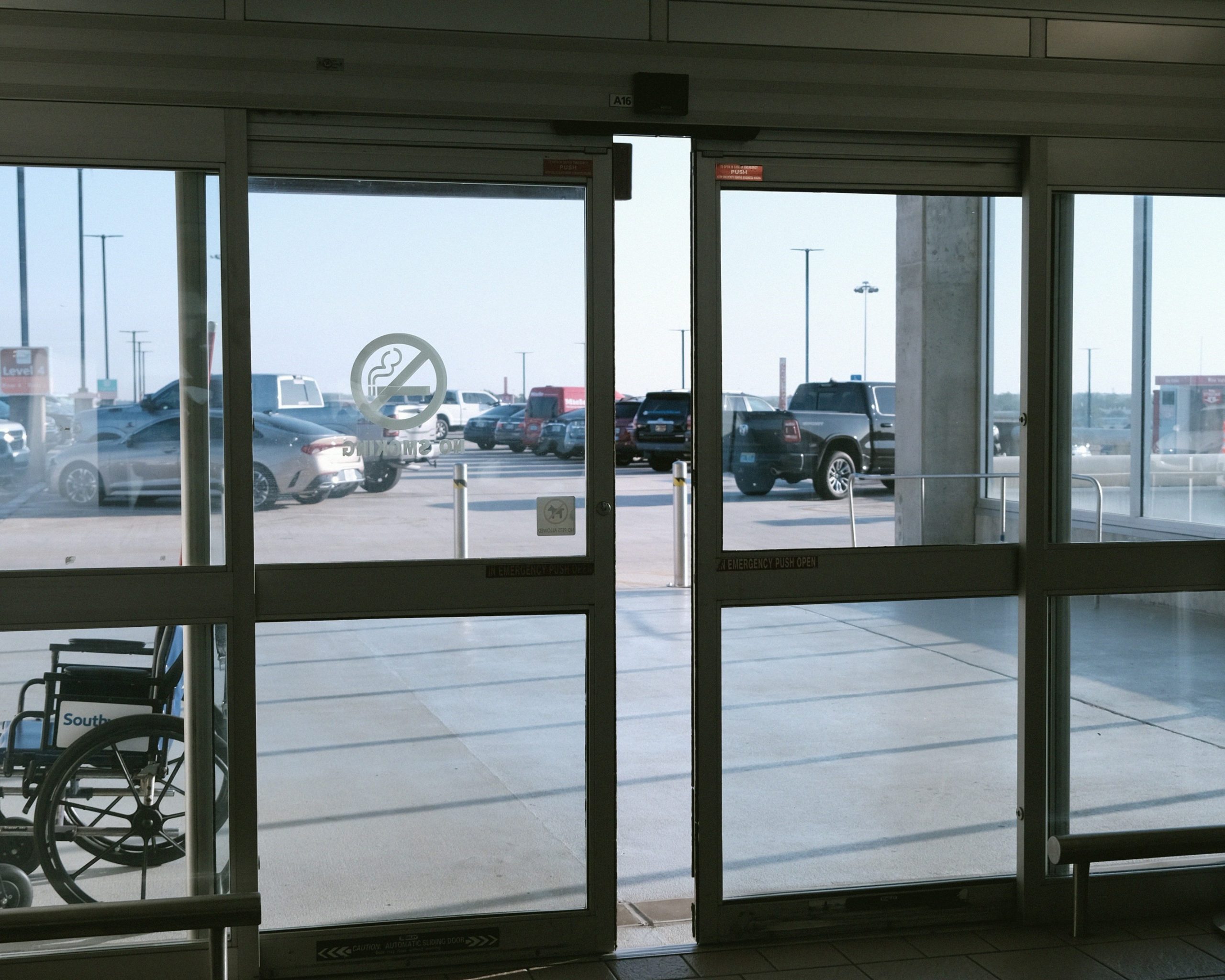
Your hospital’s infection control plan probably covers hand washing, PPE, and surface cleaning. But it likely ignores the front door, and that is a real problem.
A sliding door that opens too slowly or stays open too long pulls dirty outdoor air straight into clean hospital areas. It is a documented problem that puts patients at risk.
If your facility runs old or incorrectly fitted sliding doors, you have an infection risk sitting right at your front entrance. At Auto Ingress, automatic sliding doors are specified for high-traffic clinical environments.
Key Takeaways
- A door that stays open too long pushes contaminated air into clean hospital zones.
- Hands-free automatic sliding doors lower the spread of bacteria when fitted and maintained correctly.
- Australian healthcare facilities must meet AHIA and National Construction Code (NCC) requirements for entry doors.
- Cleaning door sensors is a direct infection control task.
The Role of Entry Doors in Infection Control
Most infection control checklists skip the front entry completely. That is a serious gap. The entry is where outdoor air, foot traffic, and bacteria all meet at once.
Research published in the American Journal of Infection Control found that surfaces near hospital entries carry far more bacteria than surfaces deeper inside clinical zones. Door frames, glass panels, and sensor housings all count as high-touch surfaces.
Common Sliding Door Failures
Poor door choices are more common than most facilities managers realise. Three problems show up again and again in hospital settings.
Residential Doors in Clinical Areas
Some builders install glass sliding doors made for homes, not healthcare. The seals are weak, and small gaps let air pass through even when closed. Near an ICU or cancer ward, that gap allows airborne infectious particles to spread into protected areas.
Incorrect Door Operator Selection
The automatic sliding door operator controls open speed and dwell time. A home-grade motor keeps the door open too long, which disrupts clean air pressure in surgical corridors. A clinically rated system allows shorter open times and controlled sensor activation.
Single‑Door Entry Risk
When there is only one sliding door between the outside and a clinical area, each opening lets outdoor air flow straight inside. The Australasian Health Infrastructure Alliance (AHIA) requires a double-door entry buffer in high-risk hospital areas.
Think of it like an airlock. Two doors create a small space between them, so both doors do not open at the same time. That space helps stop dirty air from entering clean zones
Framed vs Frameless Sliding Doors: Which One Is Safer?
|
Feature |
Framed Sliding Doors |
Frameless Sliding Doors |
|
How well it seals |
Strong frame: holds the seal tight | Varies: needs require very precise fitting |
| Easy to clean | Medium: frame edges collect dust |
High: smooth glass, fewer hidden spots |
|
Keeps air pressure steady |
Yes, when correctly fitted |
Not always: depends on tolerances |
|
Best used at |
ICU, surgical, isolation entries | Reception, outpatient, and admin areas |
| Maintenance check | Seal check every 6 months |
Alignment check every 3 months |
Both framed and frameless sliding doors have specific conditions for best performance. Framed sliding doors work better in high-risk zones. Frameless sliding doors are fine in lower-risk areas like reception, but only when the fitting is done with precision.
Automatic Sliding Doors and Infection Control
Automatic doors reduce the risk of infection spread by:
Hands‑Free Infection Control
Every time someone touches a door handle, bacteria move from hand to surface and back again. In a busy hospital, that happens hundreds of times a day.
Hands-free entry systems for infection control remove that problem entirely. In Australian hospitals today, this is considered a basic requirement, not a luxury.
Maintaining The Air Pressure
Clean hospital zones use controlled air pressure to stop bacteria from drifting in from other areas. A correctly set automatic sliding door opens only when someone is detected, stays open for the shortest safe time, then closes firmly.
Across Australia, when automatic sliding doors are fitted without these settings, the air pressure control breaks down with every single opening.
Cleaning the Sensors
Most facilities completely miss this:
- Sensor covers collect bacteria just like any other surface people touch or wave at.
- Wipe sensor covers with an approved disinfectant at least three times a day at busy entries.
- Record every cleaning as part of your infection prevention facility management plan.
Australian Standards for Hospital Entry Doors
The National Construction Code (NCC) sets the basic building rules, including structure, fire safety, and access. AHIA guidelines go further and cover entry layout, double-door buffer zones, and door hardware for infection‑sensitive areas.
Most problems happen between what the rules require and what actually gets installed. A door can pass an NCC check and still be wrong for a hospital. Healthcare entry door standards should be reviewed by both an infection control specialist and a door systems professional before ordering.
Hospital Sliding Door Maintenance
Even a well-chosen antimicrobial hospital door becomes a risk when maintenance is ignored.
A proper clinical sliding door maintenance plan should include:
- Daily: Clean sensor covers at busy entries
- Quarterly: Check automatic sliding door operator settings match air pressure needs
- Twice yearly: Inspect and replace worn door seals
- Annually: Complete system check recorded in infection control files
Many facilities rely on general contractors who follow standard commercial rules. That is not enough for healthcare. Clinical environments need stricter checks because small gaps and delays can increase infection risk.
Limits of Sliding Doors
I’ll be honest with you, even a correctly installed automatic sliding door is only one layer of protection. It does not replace proper air systems, cleaning routines, or clinical protocols.
Real limitations to consider:
- Frameless sliding doors require very precise fitting, and poor installation weakens the seal.
- Door motor failures can go unnoticed without active monitoring.
- Installing a premium door in a low-risk reception while using a basic system in a high-risk surgical corridor is a common planning mistake.
Match the door system to the risk level of the space. The right door in the wrong area still creates risk.
Conclusion
Hospital entry doors are not just architecture; they are a working part of your infection control plan. Three things you can do right now:
- Check your current entry doors against AHIA double-door buffer requirements, flag any single-door entries in high-risk areas.
- Check your automatic sliding door operator settings and confirm open times match your air pressure zone plan, not factory defaults.
- Add sensor cover cleaning to your daily clinical surface cleaning schedule today.
A poorly chosen sliding door lets dirty air in, invites hand contact, and creates maintenance gaps that nobody catches until patients are already at risk.
Frequently Asked Questions
1. What is the safest type of sliding door for a hospital entrance?
The safest option is a clinically rated automatic sliding door designed for healthcare environments, not a standard commercial system. It must support proper sealing, fast close timing, and pressure control compatibility.
2. How do I choose the right automatic sliding door supplier in Australia?
Choose a supplier with proven healthcare installations, not just retail or shopping centres. Ask for compliance documentation tied to NCC and hospital standards before approving procurement.
3. Are automatic sliding doors worth installing in small private clinics?
Yes. Even in smaller facilities, hands-free entry reduces surface contamination and improves patient perception of hygiene. It also supports future compliance upgrades if regulations tighten.
4. What mistakes do hospitals make when buying sliding doors?
Common mistakes include buying commercial-grade doors instead of healthcare-rated systems, ignoring air pressure compatibility, and selecting based only on appearance rather than clinical performance.
5. Do sliding glass doors increase infection risk compared to solid doors?
Not if specified correctly. The risk comes from poor sealing and incorrect programming, not the glass itself. In fact, smooth glass surfaces are often easier to disinfect.