Key Benefits of Automatic Door Systems for Businesses and Homes

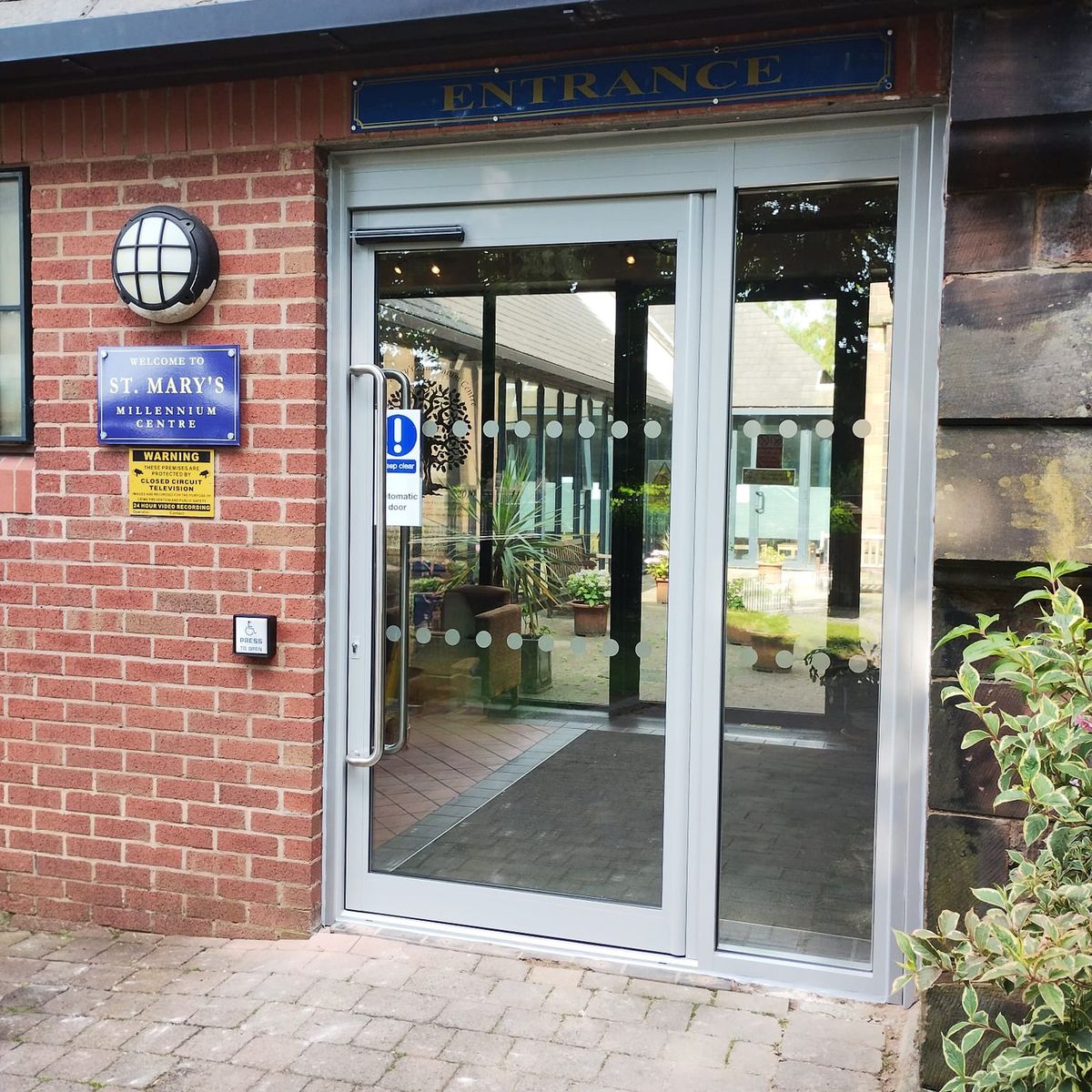
You are concerned about compliance with accessibility while energy bills continue to increase, and customers cannot use heavy doors. They are not small issues; they are costing you actual money and could even get you involved in legal stuff. Research indicates that automatic doors save 43% of the energy consumed by manual doors and do not keep unwanted air indoors, and also ensure comfort in the interiors. Your manual doors are working against you. Whether you run a business or manage a home, automatic door systems solve multiple headaches at once by reducing energy costs, improving accessibility, enhancing hygiene, and boosting property value. Key Takeaways Energy savings of up to 43% through controlled airflow and reduced HVAC strain Touchless operation reduces germ transmission by eliminating high-contact door surfaces Accessibility compliance prevents legal issues while serving elderly and disabled users ROI within 2-4 years through combined energy savings and reduced maintenance costs The Energy Drain You’re Ignoring It takes 8 to 12 seconds to remain open whenever somebody passes through your manual door. That is eight to twelve seconds of conditioned air escaping. Do that by all the individuals who come into your building each day, and you are heating or cooling the place. What role does an automatic door play in energy saving in residential and commercial buildings? Automatic doors offer more options in controlling airflow and temperature since it is able to open only when sensors sense the presence of someone and close within a period of 2-3 seconds. Accessibility Isn’t Optional Anymore One accessibility complaint can trigger expensive modifications, legal fees, and damage to your reputation. But even without the legal pressure, think about who’s struggling with your doors right now. How do automatic doors improve accessibility for disabled individuals? They remove the barrier completely: Wheelchair users don’t struggle with heavy doors Elderly folks with limited strength enter independently Parents juggling strollers and kids get through easily People carrying packages don’t need a third hand Nobody feels like they’re causing trouble or need special help Your elderly customers won’t complain about heavy doors. They’ll just quietly go somewhere easier. Same with parents pushing strollers or anyone recovering from an injury. The Hygiene Factor Everyone’s Thinking About How do automatic doors reduce the spread of germs? Simple, nobody touches anything. Professional sliding framed and frameless automatic doors operate completely hands-free. You approach, they open, you walk through. Zero contact with potentially contaminated surfaces. This problem received great focus when there were health-related issues that were so important, but it is still worth it. Cold and flu season, bugs making the rounds of the stomach, whatever, touchless operation prevents that infection. This is already known by the medical facilities and food service businesses, but it is important to any business where the health and perception of cleanliness of your customers influences your bottom line. When Your Staff Becomes Door Attendants What are the main advantages of installing automatic doors in businesses? Beyond energy and accessibility: Staff focus on actual work—greeting customers, answering calls, processing sales No more interruptions to help people through doors Smoothly opening doors creates a professional first impression Signals you’re modern and pay attention to details Avoids the negative vibe from stiff, squeaky manual doors Why Homes Are Getting Automatic Doors Too You’re probably thinking this is all about businesses. Not anymore. Residential automatic door systems are becoming standard for homeowners who want convenience, accessibility, and energy efficiency. Carrying groceries, managing kids and strollers, and helping aging parents handle these daily situations effortlessly. Smart home integration lets your automatic door operators connect with existing systems, unlock via phone, and adjust based on time or weather. It’s practical convenience that improves daily living and increases property value. Making It Work for Your Business Are automatic doors cost-effective for small businesses? Depends on your situation, honestly. If you’re in a climate with extreme temperatures, have decent foot traffic, or face accessibility requirements, you’ll typically see payback within 2-4 years just from energy savings. Commercial automatic door installations serve all kinds of businesses differently: Retail stores handle high traffic without staff help. Office buildings integrate access control for security. Healthcare facilities need wide openings and infection control. Restaurants maintain climate control with seamless transitions. Conclusion Automatic door systems solve real problems like energy waste, accessibility barriers, hygiene concerns, and operational inefficiencies. You get measurable savings, compliance protection, touchless operation, and improved convenience. The investment pays for itself through energy savings alone, plus you’re getting reduced maintenance and increased property value, whether business or home. Automatic doors make sense financially and operationally. Ready to stop losing money on energy waste? Talk to a professional about which system fits your needs and start saving from day one. Frequently Asked Questions What maintenance do automatic door systems require? You’ll need quarterly sensor cleaning, annual safety inspections, and occasional adjustments to closing speeds. Maintenance contracts are offered to most businesses, where everything is covered; it is easier than being piecemeal. Can automatic doors be installed on existing doorways? Usually, yes, though you might need some structural modifications depending on your current setup. A business consultation will give you the real picture of what it is and what it will cost in your particular case. Do automatic doors work in extreme weather conditions? Quality systems are built for it with weather-resistant components, thermal breaks, and robust sealing. The sensors may require replacement after 5-7 years of usage and under certain conditions. How long do automatic door systems typically last? Commercial-grade operators run 10-15 years with proper maintenance. Sensors might need replacement every 5-7 years, depending on usage and environment, but the main systems are built to last. Are there different automatic door types for different applications? Yes: sliding doors when there is a high trafficking retail store, swing doors when the store is retrofitted, revolving doors when the building is very large and the energy consumption is maximum.Â
How Do Automatic Door Systems Work? The Complete Guide You Need

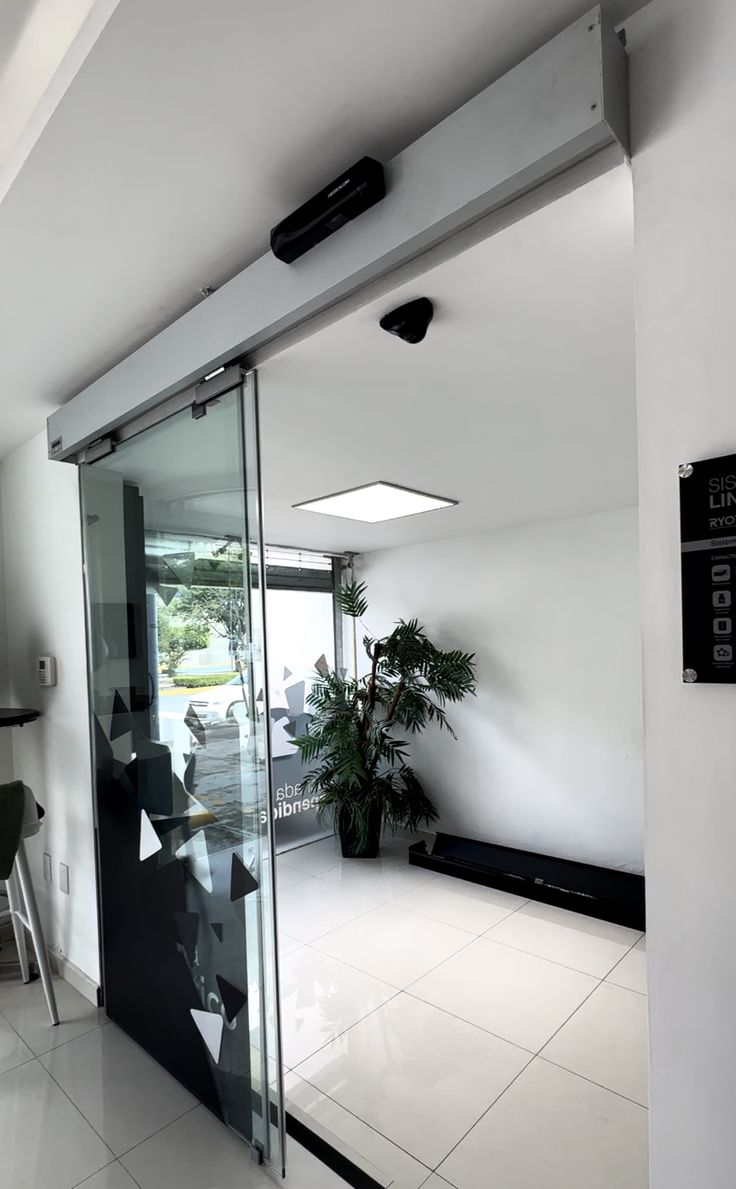
Your door just broke down once again. And you are, standing there with your arms in the air, looking all foolish, hoping that it will just spring back into life. You are not the only one who is frustrated, as more than 30,000 individuals get injured by these doors every year, and the number of business interruptions caused by door failures is incalculable. The major problems of automatic doors are based on the same few issues, and knowing how such systems actually operate will save you time and money as well as embarrassment. That is what professional automatic door systems are expected to prevent by appropriate installation and maintenance. Key Takeaways Malfunctioning sensors make up 60% of automatic doors – understanding what model you have will facilitate the solution of the problem. The problem with the power supply leads to frustrating opening problems on a daily basis that infuriate customers and employees. Failure of safety features endangers the population and presents a legal liability to companies. With proper maintenance, 85 percent of the common problems are avoided before they interfere with your operations. Your Biggest Automatic Door Issues – And Why They Happen Problem #1: Your Door Won’t Open (The Most Embarrassing Issue) You approach confidently, expecting the door to glide open smoothly. Nothing. The most common issue is failure to open, typically due to sensor malfunctions or power issues. What activates an automatic door determines how it fails: Motion Sensor Problems Dirty sensor lenses block detection signals Environmental interference from heat sources Sensor alignment issues after impact damage Power Supply Issues Loose electrical connections create intermittent failures. Voltage fluctuations damage electronic components Problem #2: Your Door Opens and Closes Randomly (The Energy Waster) Nothing frustrates residents more than doors that seem to have a mind of their own. This wastes energy and compromises security. How do automatic sliding doors work when they’re malfunctioning? Usually, oversensitive detection systems pick up HVAC airflow, passing vehicles, or small animals triggering sensors. Problem #3: Safety Features Aren’t Working (The Dangerous One) More than 7,500 people per year get pinched in doors, with children being the primary victims. When the safety features fail, you’re risking serious injury lawsuits. Common safety feature failures: Obstacle detection sensors that don’t stop closing doors Emergency mechanisms that stick during power failures Low-level sensors that miss small children and pets What Types of Sensors Are Used in Automatic Doors? (And Which Ones Cause Problems) Motion Detection Sensors Infrared Sensors Detect body heat changes Fail when lenses get dirty or cracked Microwave Sensors Use radio waves to detect movement Better for harsh weather, but more expensive Pressure-Based Activation How do pressure sensors in automatic doors work? They detect weight changes when someone steps on floor mats. These are reliable but get damaged by heavy equipment and need regular cleaning. Modern sliding framed and frameless systems often use multiple sensor types for redundancy. Automatic Door Systems Installation Process – Avoiding Future Headaches Poor installation creates 70% of long-term problems. Here’s what proper installation prevents: Installation Mistakes That Cost You Later Incorrect sensor height settings create dead zones Poor weather sealing causes electronic damage Inadequate load testing under real-world conditions Professional residential and commercial installations prevent these costly mistakes through systematic testing. How to Fix Automatic Sliding Doors – Quick Solutions for Common Problems Door Won’t Open At All Check Power Supply – Verify circuit breakers and electrical connections Clean Sensors – Remove dirt, spider webs, or debris from sensor lenses Test Manual Override – Ensure emergency systems work properly How to Make a Sliding Door Close Automatically When It’s Stuck Open Adjust Closing Delay Settings – Often set too long during installation Check Safety Sensors – Clear obstructions from sensor beams Inspect Door Track – Remove debris that prevents smooth movement Random Opening and Closing Reduce Sensor Sensitivity – Adjust settings to ignore minor movements Relocate Heat Sources – Move space heaters or equipment away from sensors Install Sensor Shields – Block unwanted detection zones Access Control in Automatic Doors – Security Without the Headaches How do access control systems integrate with automatic doors? Commercial automatic door installations require specialized access control integration and high-traffic durability testing: Common Access Control Failures Card readers that stop communicating with door controllers Smartphone apps that disconnect during software updates Biometric scanners that fail in cold weather Solutions include redundant authentication methods and regular maintenance schedules. Conclusion Understanding how door systems work helps avoid the daily frustrations, safety implications, and unforeseen expenses associated with system malfunctions. The main secret of consistent functioning is to select the right sensor types, to install them properly with all the safety measures, and to organize the regular maintenance schedules. Above all, it is the law that these systems need to be maintained by qualified technicians annually, and anyone who does not maintain such systems in proper conditions exposes themselves to the eventuality of getting involved in accidents. Frequently Asked Questions 1. Why does my automatic door keep opening and closing on its own? It usually means that the motion sensors are oversensitive to picking up airflow in the HVAC, passing cars, or reflective surfaces. Random activation problems are normally solved by changing sensor sensitivity settings or putting sensor shields in place. 2. What is the frequency of cleaning of automatic door sensors?  Wipe sensor lenses every month in the normal environment, once a week in dusty conditions. The most frequent reason for detection failures is dirty sensors, which can render the doors totally inactive to the approaching individuals. 3. What is to be done in case the automatic door becomes stuck in an intermediate position? First, inspect the door track obstructions and clear them. In case the track is clear, the problem is possibly mechanical – call the professional instantly since its use may break the operator mechanism. 4. Is it possible to control the automatic doors’ closing speed? Although it is possible to do certain simple adjustments, door speed settings influence safety compliance and cannot be altered