
Hospital & Healthcare Entry Doors: How Poor Sliding Door Design Increases Infection Risk
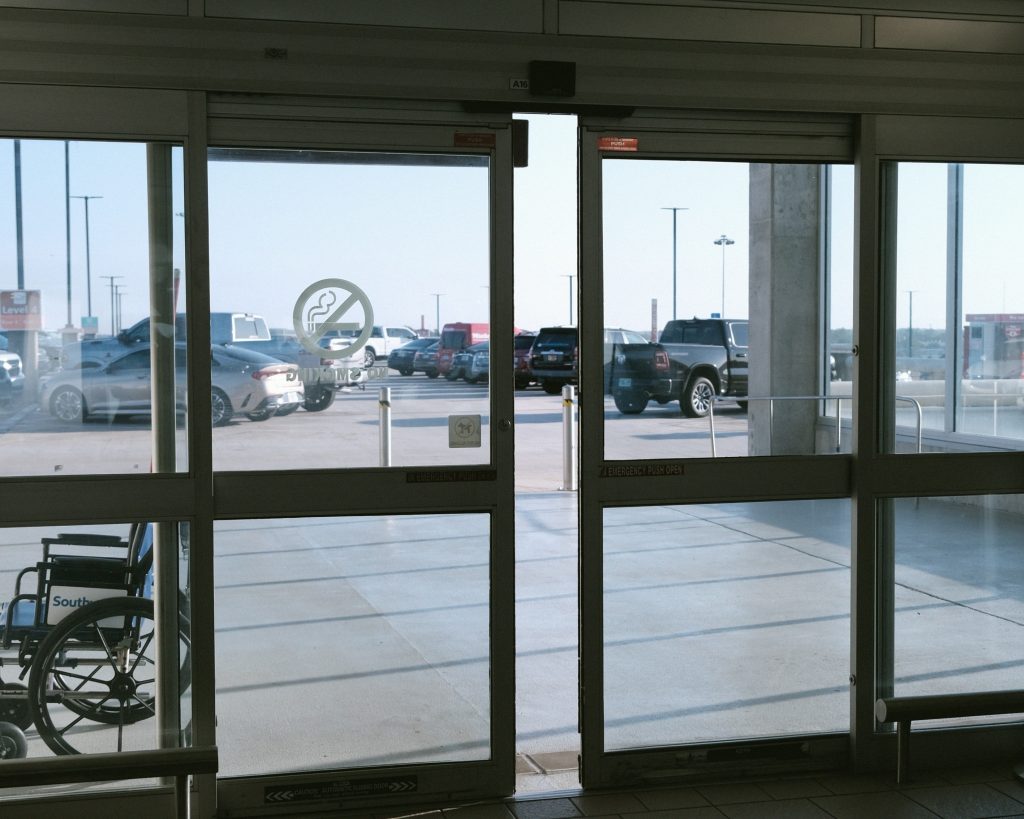
Your hospital’s infection control plan probably covers hand washing, PPE, and surface cleaning. But it likely ignores the front door, and that is a real problem. A sliding door that opens too slowly or stays open too long pulls dirty outdoor air straight into clean hospital areas. It is a documented problem that puts patients at risk. If your facility runs old or incorrectly fitted sliding doors, you have an infection risk sitting right at your front entrance. At Auto Ingress, automatic sliding doors are specified for high-traffic clinical environments. Key Takeaways A door that stays open too long pushes contaminated air into clean hospital zones. Hands-free automatic sliding doors lower the spread of bacteria when fitted and maintained correctly. Australian healthcare facilities must meet AHIA and National Construction Code (NCC) requirements for entry doors. Cleaning door sensors is a direct infection control task. The Role of Entry Doors in Infection Control Most infection control checklists skip the front entry completely. That is a serious gap. The entry is where outdoor air, foot traffic, and bacteria all meet at once. Research published in the American Journal of Infection Control found that surfaces near hospital entries carry far more bacteria than surfaces deeper inside clinical zones. Door frames, glass panels, and sensor housings all count as high-touch surfaces. Common Sliding Door Failures Poor door choices are more common than most facilities managers realise. Three problems show up again and again in hospital settings. Residential Doors in Clinical Areas Some builders install glass sliding doors made for homes, not healthcare. The seals are weak, and small gaps let air pass through even when closed. Near an ICU or cancer ward, that gap allows airborne infectious particles to spread into protected areas. Incorrect Door Operator Selection The automatic sliding door operator controls open speed and dwell time. A home-grade motor keeps the door open too long, which disrupts clean air pressure in surgical corridors. A clinically rated system allows shorter open times and controlled sensor activation. Single‑Door Entry Risk When there is only one sliding door between the outside and a clinical area, each opening lets outdoor air flow straight inside. The Australasian Health Infrastructure Alliance (AHIA) requires a double-door entry buffer in high-risk hospital areas. Think of it like an airlock. Two doors create a small space between them, so both doors do not open at the same time. That space helps stop dirty air from entering clean zones Framed vs Frameless Sliding Doors: Which One Is Safer? Feature Framed Sliding Doors Frameless Sliding Doors How well it seals Strong frame: holds the seal tight Varies: needs require very precise fitting Easy to clean Medium: frame edges collect dust High: smooth glass, fewer hidden spots Keeps air pressure steady Yes, when correctly fitted Not always: depends on tolerances Best used at ICU, surgical, isolation entries Reception, outpatient, and admin areas Maintenance check Seal check every 6 months Alignment check every 3 months Both framed and frameless sliding doors have specific conditions for best performance. Framed sliding doors work better in high-risk zones. Frameless sliding doors are fine in lower-risk areas like reception, but only when the fitting is done with precision. Automatic Sliding Doors and Infection Control Automatic doors reduce the risk of infection spread by: Hands‑Free Infection Control Every time someone touches a door handle, bacteria move from hand to surface and back again. In a busy hospital, that happens hundreds of times a day. Hands-free entry systems for infection control remove that problem entirely. In Australian hospitals today, this is considered a basic requirement, not a luxury. Maintaining The Air Pressure Clean hospital zones use controlled air pressure to stop bacteria from drifting in from other areas. A correctly set automatic sliding door opens only when someone is detected, stays open for the shortest safe time, then closes firmly. Across Australia, when automatic sliding doors are fitted without these settings, the air pressure control breaks down with every single opening. Cleaning the Sensors Most facilities completely miss this: Sensor covers collect bacteria just like any other surface people touch or wave at. Wipe sensor covers with an approved disinfectant at least three times a day at busy entries. Record every cleaning as part of your infection prevention facility management plan. Australian Standards for Hospital Entry Doors The National Construction Code (NCC) sets the basic building rules, including structure, fire safety, and access. AHIA guidelines go further and cover entry layout, double-door buffer zones, and door hardware for infection‑sensitive areas. Most problems happen between what the rules require and what actually gets installed. A door can pass an NCC check and still be wrong for a hospital. Healthcare entry door standards should be reviewed by both an infection control specialist and a door systems professional before ordering. Hospital Sliding Door Maintenance Even a well-chosen antimicrobial hospital door becomes a risk when maintenance is ignored. A proper clinical sliding door maintenance plan should include: Daily: Clean sensor covers at busy entries Quarterly: Check automatic sliding door operator settings match air pressure needs Twice yearly: Inspect and replace worn door seals Annually: Complete system check recorded in infection control files Many facilities rely on general contractors who follow standard commercial rules. That is not enough for healthcare. Clinical environments need stricter checks because small gaps and delays can increase infection risk. Limits of Sliding Doors I’ll be honest with you, even a correctly installed automatic sliding door is only one layer of protection. It does not replace proper air systems, cleaning routines, or clinical protocols. Real limitations to consider: Frameless sliding doors require very precise fitting, and poor installation weakens the seal. Door motor failures can go unnoticed without active monitoring. Installing a premium door in a low-risk reception while using a basic system in a high-risk surgical corridor is a common planning mistake. Match the door system to the risk level of the space. The right door in the wrong area still creates risk. Conclusion Hospital entry doors are not just
Hidden Liabilities: The Legal Risks of Non-Compliant Automatic Sliding Doors
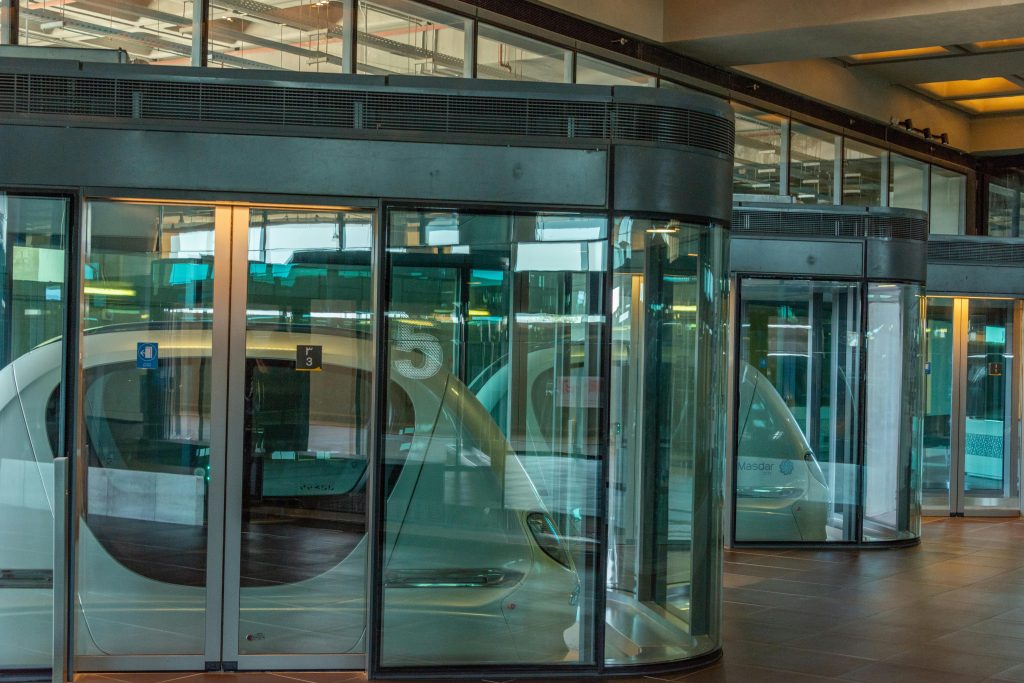
An automatic sliding door opens and closes hundreds of times a day. Most property owners never think twice about it, until someone gets hurt. That is exactly when the questions start. Was the door maintained? Were the safety beams working? Could someone push it open during a power cut? If the answers are unclear, the legal exposure is not. Courts in Australia hold commercial property owners and facility managers to a strict duty of care. A door that looks fine on the surface can still carry hidden compliance failures, and those failures carry real consequences. Key Takeaways A non-compliant automatic sliding door can trigger negligence claims even without a visible fault. The BCA (Building Code of Australia) requires doors to open manually under reasonable force when power fails. Missing safety beam or motion sensor records can void your insurance claim after an incident. Both framed sliding doors and frameless sliding doors carry the same legal obligations. What the BCA Actually Demands And Why Most Owners Miss It The BCA (Building Code of Australia) is not a guideline. It is the legal minimum. For automatic sliding doors Australia-wide, it sets clear performance rules that every door must meet, not just on installation day, but every day after. One rule catches many owners off guard. The BCA requires that automatic sliding doors can be pushed open manually with reasonable force if the power fails. This is not about convenience. It is about emergency evacuation. A door that locks shut during a blackout can trap people. That is a building safety compliance failure with serious legal weight behind it in Melbourne. The Essential Breakout Function The breakout function is the mechanism that allows a door to swing outward in an emergency. When it works correctly, it gives people a way out even when the automatic system has failed. When it is disabled, blocked, or never installed to the correct standard, the risk is immediate. In an evacuation, seconds matter. A door that does not break out becomes a wall. That is when automatic sliding door regulations stop being paperwork and start being evidence in a courtroom. Quietly Failing Safety Features Most door failures do not announce themselves. A motion sensor drifts out of alignment. A safety beam gets partially blocked by a display stand. The automatic sliding door operator develops a fault that slows response time by half a second. None of these looks urgent. All of them are. What Goes Wrong and When Safety Feature Common Failure Legal Risk Created Motion sensors Reduced detection range over time The door closes on the pedestrian in the approach zone Safety beams Misalignment or obstruction Door closes mid-crossing Breakout function Disabled or incorrectly tensioned Entrapment during an emergency Manual override Not tested after a power interruption BCA non-compliance confirmed Automatic sliding door operator Wear on the drive mechanism Erratic speed, increased closing force These failures are gradual. That is what makes them dangerous. By the time a door causes an injury, the fault has usually been present for weeks or months. Who Actually Carries the Legal Risk This is the part most people get wrong. Many commercial property owners assume that because a qualified technician installed their automatic sliding doors, the liability stays with the installer. It does not. Once a door is handed over, the ongoing duty of care belongs to the building owner. Facility managers carry day-to-day responsibility for spotting problems and acting on them. OHS officers must identify and document door-related hazards as part of their workplace safety obligations. All three can face scrutiny after an incident. Courts do not ask who installed the door. They ask who was responsible for maintaining it. And what evidence exists to show that responsibility was taken seriously? How Non-Compliance Destroys an Insurance Claim If an injury occurs at a commercial entrance. The property owner files a public liability claim. The insurer asks one simple question: Where are the maintenance records? And you get stuck because: Records are incomplete or do not exist The insurer reduces or denies the payout entirely The owner is now personally liable for legal costs and compensation That is standard practice, not a legal loophole. Without records, the owner cannot prove compliance. Without compliance, the claim weakens significantly. Leaving them exposed to legal costs, compensation, and potential OHS fines. Framed vs. Frameless: Aesthetic Selection vs. Regulatory Risk Both framed and frameless sliding doors must meet the safety standards under Australian law. The compliance obligations do not change based on aesthetics. What does change is how failures present themselves. Frameless sliding doors use exposed structural glass, which makes sensor misalignment and seal wear harder to detect during a casual walkthrough. Framed doors show wear more visibly, but age and high traffic still cause quite a mechanical drift. Neither type protects you from liability by design alone. An Honest Assessment Before You Act Most automatic sliding doors in Australia work without incident for years. That is the truth. Well-maintained doors from reputable suppliers, installed to the correct standard, are genuinely safe in normal operation. But here is what the industry does not say loudly enough. Compliance is not a one-time event. A door that passed inspection in 2019 may not pass one today. Sensors degrade. Mechanisms wear. Staff changes mean no one remembers when the last service happened. Conclusion Automatic sliding doors fail quietly before they fail publicly. By the time an injury happens, the missed inspections and missing records have already decided the legal outcome. The good news is that consistent, documented maintenance is enough to protect yourself. Test your doors regularly, keep written records of every check, and deal with faults before they reach someone walking through your entrance. Frequently Asked Questions 1. Why does my automatic door open by itself when no one is there? Doors open on their own due to environmental interference or improper calibration. This is a warning that the door might not see a real person. 2. Am I legally required to put stickers on
Why High-Traffic Automatic Sliding Doors Fail: Common Causes & Prevention Guide

Your automatic sliding doors open and close thousands of times every day. Then one morning, they stop. Customers wait at your entrance. Your staff doesn’t know what to do. This happens at stores, hospitals, and offices across Australia every week. Here’s the good news. You can stop most door problems before they start. It doesn’t matter if you have frameless sliding doors or framed glass sliding doors. Learning why they break helps you keep them running. This guide shows you what goes wrong and how to fix it using simple steps that work for sliding glass doors that Australian businesses use every day. Key Takeaways Sensors cause 40% of all door problems because of dirt, wrong angles, or bad weather. Dirty tracks and old rollers break most doors in busy places. Cleaning your tracks monthly makes doors last 3-5 years longer. A maintenance plan cuts emergency repairs by 70%. Why Do Automatic Sliding Doors Break Down? Busy places are hard on the automatic sliding doors that Australian businesses install. A shopping mall entrance opens and closes over 500 times each day. Every time it moves, parts wear out a little bit. The Cycle Count Problem Every door has a limit. This means how many times it can open before needing repairs. Most automatic sliding door operators work for 200,000 to 500,000 cycles. But that’s only under perfect conditions. Traffic Level Daily Opens Yearly Opens Service Needed Low (Office) 50-100 18,000-36,000 Every 3-5 years Medium (Store) 200-400 73,000-146,000 Every 1-2 years High (Mall) 500+ 182,000+ Every 6-12 months Common causes of automatic door sensor failure happen faster when doors work harder. More cycles mean everything breaks down sooner. Sensor Problems That Stop Doors Sensors keep your sliding doors safe. They tell the door when to open and close. When sensors break, your door stops working. Reasons for Sensor Fail Sliding door sensor troubleshooting is easier when you know what breaks. Sensors fail for three main reasons. Dirt blocks sensor lenses. Sunlight creates false triggers. Vibration misaligns the sensors. Glass sliding doors in Melbourne buildings face extra problems. Shiny surfaces and changing light confuse sensors more than plain walls. Easy Sensor Checks You can fix some problems yourself. Wipe the sensor lenses with a soft cloth. Look for things blocking them. Make sure sensors point at each other. These steps fix 30% of sensor issues. Dirty Tracks and Worn Rollers That grinding sound means trouble. Your door is trying to tell you something. The pulleys and rollers wear down slowly. Most people wait too long to check them. Frameless toughened glass doors and framed sliding doors both use similar tracks. Both need the same care. Warning Signs to Watch For Your door shows you when something is wrong. The door hesitates when opening, which means dirt is in the track Grinding or squealing sounds mean rollers or pulleys are worn out Jerky movement means the track is damaged or bent Sliding door track cleaning should happen every month in busy areas. Check weekly to catch problems early. Dirt and grit work like sandpaper on your rollers. How Small Problems Get Big A dirty track makes the motor work harder. This wears out the drive belts faster. Soon, you will need a new motor instead of just a cleaning. Motor and Belt Problems The motor is the heart of your automatic sliding door. Motors and belts break when you ignore other problems. The door speed matters more than you think. Doors that move too fast wear out motors quickly. Doors that move too slowly annoy people. People hold doors open longer, which creates more wear. Frameless glass automatic doors use brushless DC motors. These last longer than old motors. But they still break when they fight dirty tracks or broken sensors. How to Keep Your Doors Working Automatic sliding door maintenance is simple. Small jobs done regularly stop big breakdowns. Make a Maintenance Schedule Monthly tasks make the biggest difference. Clean your sensors. Clean your tracks. Listen for strange sounds. Check if the door moves smoothly. Get a professional to check every three months. Technicians find things you miss. They check how many times the door has opened. They test safety systems. They adjust the opening and closing speed. Think About a Maintenance Plan A maintenance plan spreads service across the whole year. This follows Australian Standard AS 5007 rules for automatic doors. The BCA (Building Code of Australia) sets safety rules. Regular care keeps you following the rules. It also stops doors from breaking. Working with a qualified automatic door specialist gives you peace of mind. When You Need Expert Help Some problems need a professional. Knowing when to call saves you time and money. Signs You Need Commercial Door Repair Call for automatic door repairs when you see these problems. The door won’t respond after you try basic fixes. You can see broken motors, belts, or tracks. Safety systems act weirdly and create danger. Commercial door repair experts have special tools. They understand how every part works together. Fixing motors or sensors yourself can break your warranty. It can also hurt someone. What Nobody Tells You About Door Life Let’s be honest. No care plan makes doors last forever. Even with perfect maintenance, automatic sliding doors in busy places need major repairs every 7-10 years. Some frameless toughened glass doors look amazing. But they have more problems staying aligned than framed glass sliding doors. No frame means less support. In very busy areas, framed options often last longer. They just don’t look as modern. Here’s another truth. Cheap replacement parts cause headaches. Aftermarket rollers and sensors might fit your door. But they rarely work as well as original parts. This creates problems that keep coming back. Conclusion Stopping automatic sliding door failures is about paying attention. Understanding how many times doors can open matters. Keeping sensors clean matters. Keeping tracks clean matters. Do these things, and your doors last much longer. Do these three things today. Set up monthly cleaning
How to Fix Noisy Sliding Doors: Alignment Guide for Quiet Workspaces
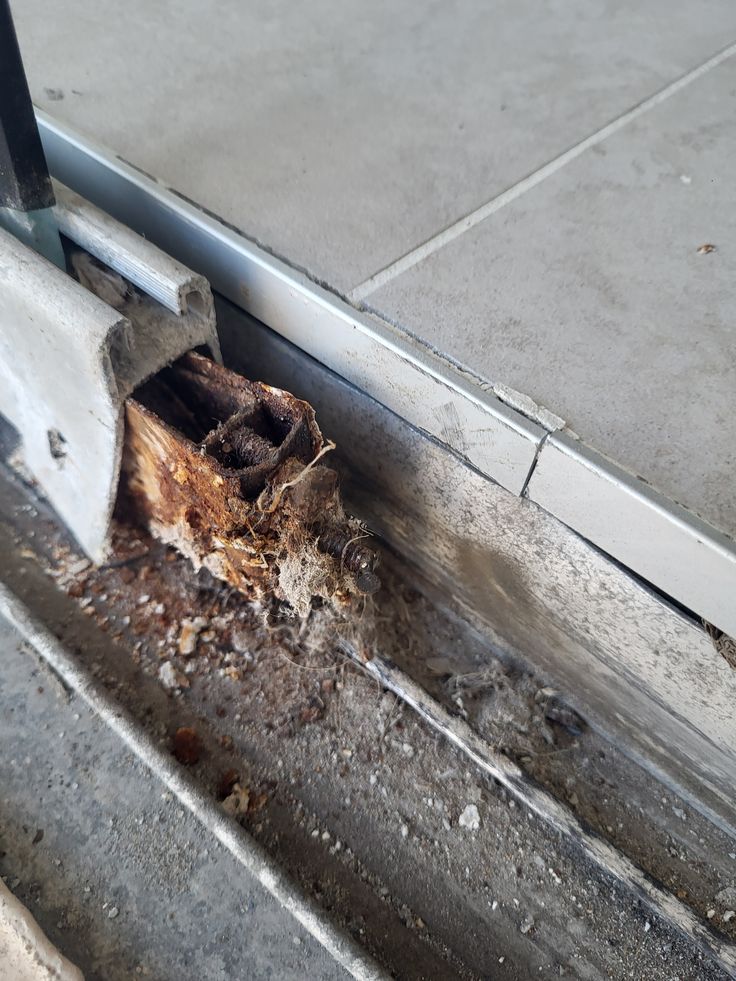
You also hear that grinding screech every time someone enters your office. It’s not just an annoying sound. It’s killing your professional image. Clients notice it, and employees get distracted. That metal-on-metal sound means something is wearing down fast. The good thing is that most noisy sliding door problems come from three fixable issues. Such as dirty tracks, worn rollers, or misalignment. Whether you have framed sliding doors or frameless sliding doors, you’ll learn exactly what’s causing the noise and how to stop it. This is a complete overview of door systems, first? We have complete automatic door solutions for Australian businesses. Key Takeaways Diagnosis comes before repair. Sound type indicates the exact problem source. Alignment adjustments follow quarter-turn increments. Larger turns risk track damage. Cleaning frequency depends on foot traffic. Commercial spaces need weekly attention. Automatic systems have different repair boundaries. Knowing them protects your warranty. Why Do Sliding Doors Start Making Noise? Your sliding glass doors were silent when new. Now they grind and screech. Let me tell you what changed. Three things fail over time. The head track collects dust. The ball-bearing rollers wear down. The active panel shifts out of alignment. Fix noisy sliding door problems early to avoid bigger repairs. 1. Debris Buildup in Tracks Aluminum tracks collect dirt, hair, and small particles daily. This debris creates friction. Friction causes noise. In commercial spaces, the problem gets worse faster. More foot traffic means more dirt. Glass sliding doors in Melbourne offices face this constantly due to high daily use. 2. Worn or Damaged Rollers Ball-bearing rollers spin thousands of times per week. Eventually, they wear out. When they do, you hear that awful grinding. Plastic rollers fail faster than metal ones. If your doors are over five years old, worn rollers are likely the culprit. 3. Track Misalignment Issues Track misalignment also makes doors harder to open. You might notice the door sticking at certain points along the track. Over time, the track shifts slightly. That small shift creates big noise. Diagnose Your Sliding Door Problem Before grabbing tools, figure out what’s actually wrong. This saves time and prevents unnecessary repairs. The Sound Test Listen carefully as the door moves. Sound Type Likely Cause Fix Needed Grinding/scraping Debris in the track Deep cleaning Squeaking Dry rollers Lubrication Metal-on-metal Worn rollers Roller replacement Thumping Misaligned track Alignment adjustment Clicking Loose hardware Tighten screws The Visual Check Open the door halfway and check the gap between the door and the frame. If the gap is uneven on either side or the door doesn’t sit level, you likely have an alignment problem. Also, look for visible scratches on the track, as these can indicate ongoing friction issues. This applies to both framed and frameless sliding door systems. Also check the weatherstripping along the door edges for wear or damage, as deteriorated seals contribute to rattling and poor insulation. Step-by-Step Sliding Door Alignment Guide Sliding door alignment sounds technical, but it’s not. Most sliding doors in Australian buildings use adjustment screws at the bottom of the door panel. These screws raise or lower each side independently. Locate the Adjustment Screws Find the small holes at the bottom corners of your door. Inside each hole sits an adjustment screw. If the door doesn’t reseat properly into the track, gently tap it back into position using a rubber mallet. Avoid using hard tools that could crack the frame or glass. Make Small Adjustments Turn clockwise to raise that corner Make quarter-turn adjustments only Test the door after each adjustment The door should glide smoothly with zero resistance. No scraping sounds should occur during movement. Roller Inspection and Replacement Sliding door roller replacement is necessary when adjustment alone doesn’t fix the noise. Signs Your Rollers Are Worn Cracked or chipped roller housing Door wobbles during movement Grinding continues after track cleaning How to Access the Rollers Lift the active panel slightly while pulling the bottom toward you. This releases the door from the head track. Frameless toughened glass doors are heavy. For safe removal, get the help of at least two people. Choosing Replacement Rollers Ball-bearing rollers last longer than plastic ones Match the roller size to your track width Bring old rollers to the store for exact matching Track Cleaning and Maintenance Tips Commercial door maintenance starts with clean tracks. Weekly Track Care A quick vacuum removes loose debris. Focus on corners where dirt collects. Quiet sliding door tracks require regular debris removal. Monthly Deep Cleaning Vacuum the entire track length. Wipe with a damp cloth. Wipe away excess lubricant. Proper lubrication ensures friction reduction between rollers and the track surface, which is the key to quiet, smooth operation. Adjusting Automatic Sliding Door Systems Automatic sliding doors have sensors and motors that regular doors don’t have. This makes sliding glass door adjustment more complex. Your automatic sliding door operator controls opening speed, closing speed, and hold-open time. These settings affect noise levels, too. When to Adjust Settings Doors slamming closed make noise. Doors opening too fast stresses the rollers. Both problems have simple fixes in the control panel. Most frameless glass automatic doors have adjustment dials inside the operator housing. Check your manual for locations. Sensor Calibration Dirty sensors cause erratic door movement. Erratic movement stresses components. Stressed components make noise. Clean sensors monthly with a soft cloth. This simple step extends the life of your automatic sliding door system. An Honest Take on DIY Let me be real with you here. Not every sliding door problem has a DIY solution. Sliding door repair professionals exist for good reason. Some issues require specialized tools. Some require safety expertise. And some DIY attempts make problems worse. Skip DIY If You Notice: Cracked or chipped glass panels. Bent or warped track sections. Electrical issues with automatic systems. Toughened glass doors need special professional handling. One wrong move during removal can shatter the entire panel. Conclusion Quiet sliding doors create better workspaces. Clients hear professionalism, not grinding metal. And your doors last years
A Manager’s Guide to Picking an Automatic Sliding Door That Won’t Slow Down Your Medical Team
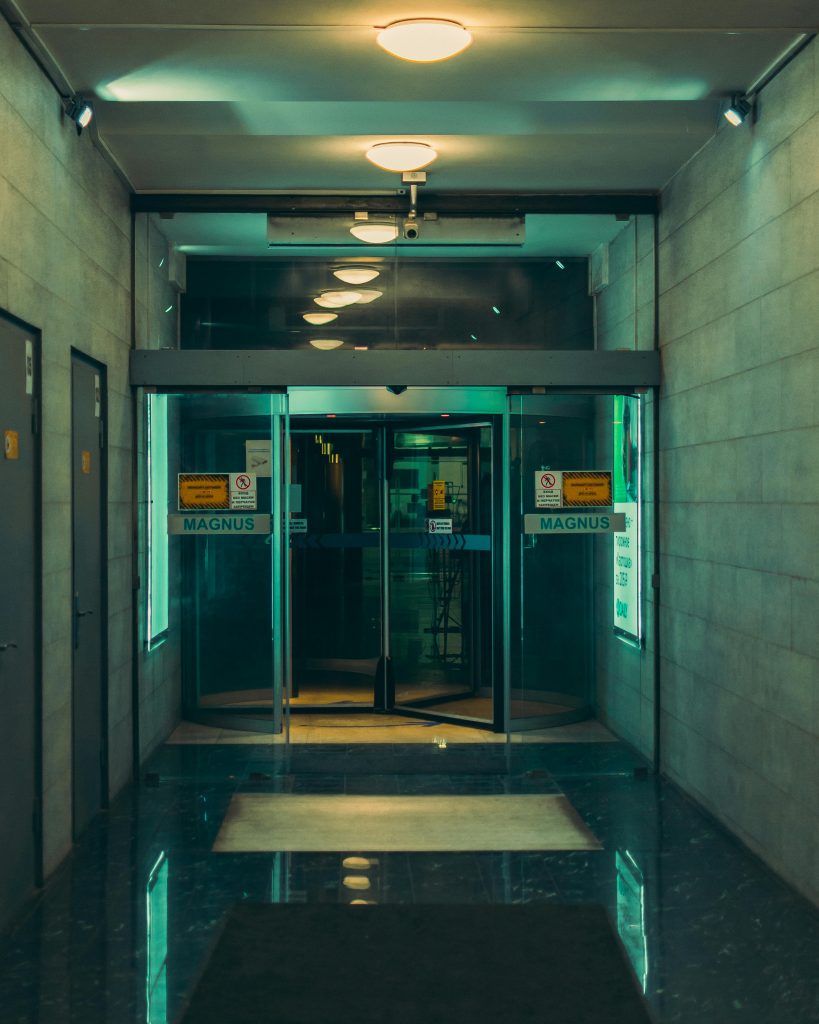
Your emergency team rushes a patient through the entrance. The automatic door hesitates. Two seconds pass. Then three. In healthcare, those seconds matter more than anywhere else. If you manage a medical facility in Australia, you know this problem well. Choosing the right sliding doors affects everything from patient outcomes to staff stress levels. Hospital automatic doors aren’t just about convenience. They’re about keeping your operation running smoothly. This guide helps you pick a system that keeps pace with your team. Key Takeaways Automatic doors should open in under one second to keep emergency teams moving without delays. Framed glass doors handle heavy traffic better, while frameless designs suit interior spaces. Touchless sensors reduce infection risks and eliminate high-touch surfaces in clinical areas. Plan for quarterly maintenance to avoid unexpected door failures during busy hours. Why Door Speed Matters in Medical Facilities Every medical centre runs on time. When staff move quickly, doors must match their pace. Commercial door automation in healthcare differs from retail settings. Your team may push stretchers, wheelchairs, and equipment through these openings dozens of times daily. Slow doors create bottlenecks. They frustrate staff. Worse, they can compromise patient care during critical moments. Modern automatic sliding doors in Australian facilities can achieve opening speeds under one second. This speed keeps traffic flowing without forcing anyone to wait. Framed vs Frameless Designs For Clinics Picking between framed and frameless options confuses many managers. Both work well. But each suits different situations. A quick note before diving in: your choice depends on traffic volume, location, and aesthetic goals. Framed Glass Sliding Doors Framed sliding doors use metal borders around each glass panel. This adds structural strength. Best for: Main entrances with heavy foot traffic Durability: Handles frequent use without glass stress Look: Professional, clearly defined door boundaries Many medical center door systems use framed glass sliding doors at primary access points. The frame absorbs impact better than frameless sliding doors. Frameless Toughened Glass Doors Frameless toughened glass doors create seamless, modern appearances. They use thicker glass to compensate for the missing frame. Best for: Interior transitions, waiting areas, low-impact zones Aesthetic: Clean, open, visually spacious Consideration: Requires careful installation and quality hardware Frameless glass automatic doors work beautifully in spaces where you want minimal visual barriers. Think consultation wing entrances or private clinic lobbies. How Automatic Door Sensors Work for Medical Teams Understanding automatic door sensor types for medical teams helps you choose wisely. Not all sensors suit healthcare environments. 1. Motion Detection Systems Motion sensors trigger when someone approaches. They’re common and reliable. Standard motion detection works well for general entrances. However, sensitivity settings matter. Too sensitive, and doors open for passing foot traffic. Not sensitive enough, and the staff must slow down. 2. Presence and Safety Sensors Presence sensors detect when someone stands in the doorway. Safety sensors prevent doors from closing on people or objects. Infrared sensors: Detect body heat, useful for hands-free operation Pressure mats: Activate when stepped on, highly reliable Light curtains: Create invisible detection zones across openings For clinic access control solutions, combining motion and presence sensors creates the safest setup. What Makes a Door System Right for High Traffic Clinics Finding the best automatic doors for high-traffic clinics means balancing several factors. Sliding doors in Australian medical facilities must handle thousands of cycles monthly. The automatic sliding door operator, the motor unit, determines reliability. Quality operators last year. Cheap ones fail within months. Glass sliding doors in Melbourne clinics present unique challenges. Temperature swings between seasons test seals and mechanisms. Dust and debris affect sensors. Choose systems designed for Australian conditions. Feature Standard Doors Medical-Grade Doors Opening Speed 1.5-2 seconds 0.5-1 second Daily Cycle Rating 500 cycles 2,000+ cycles Sensor Type Basic motion Multi-zone detection Backup Power Rarely included Battery backup standard Hygiene Features Manual override Touchless operation Touchless Entry and Infection Control Touchless entry systems in healthcare facilities have become essential. Every surface patients and staff touch can spread germs. Sliding glass doors with wave-to-open sensors or automatic activation eliminate touch points. This supports infection control without slowing anyone down. Energy-efficient hospital entrance solutions also help here. Faster door cycles mean less time open, reducing air exchange between zones. Modern systems integrate with clinic access control solutions like key cards or biometric readers. Staff enter secured areas without touching handles or buttons. How Sliding Doors Support Staff Wellbeing Here’s something most door companies won’t tell you. How sliding doors facilitate staff well-being in healthcare environments goes beyond convenience. When doors respond quickly, staff feel less frustrated. They don’t fight their building. Physical strain reduces too. No pushing heavy swing doors while managing equipment. Quiet automatic sliding door operator units keep noise low. This helps staff concentrate. It lets patients rest. Small details like smooth operation affect workplace satisfaction more than most managers realize. A Realistic Look at Automatic Doors Let me be honest with you. Automatic doors aren’t perfect for every situation. Maintenance demands: These systems need regular servicing. Skipping maintenance leads to failures at bad times. Budget for quarterly checks at a minimum. Power dependency: During outages, some systems lock up. Others default to manual operation. Ask about backup power options before buying. Installation disruption: Fitting automatic doors takes time. Your entrance may close for a day or more. Plan around patient schedules. Learning curve: Staff need brief training on emergency manual overrides. Don’t assume everyone knows how these systems work. Going in with realistic expectations helps you plan properly. The benefits outweigh these concerns for most medical facilities. But ignoring them causes problems later. Conclusion The right automatic sliding doors keep your medical team moving at full speed. They support hygiene, reduce staff strain, and handle heavy daily use. For Australian healthcare facilities, choosing quality systems pays off in reliability and safety. Take these three steps today: first, audit your current door speed and failure rates. List which entrances need framed versus frameless options. And then request demonstrations from suppliers with healthcare experience. Your team deserves doors
How to Calibrate Your Automatic Sliding Door Sensors to Save Your HVAC Budget
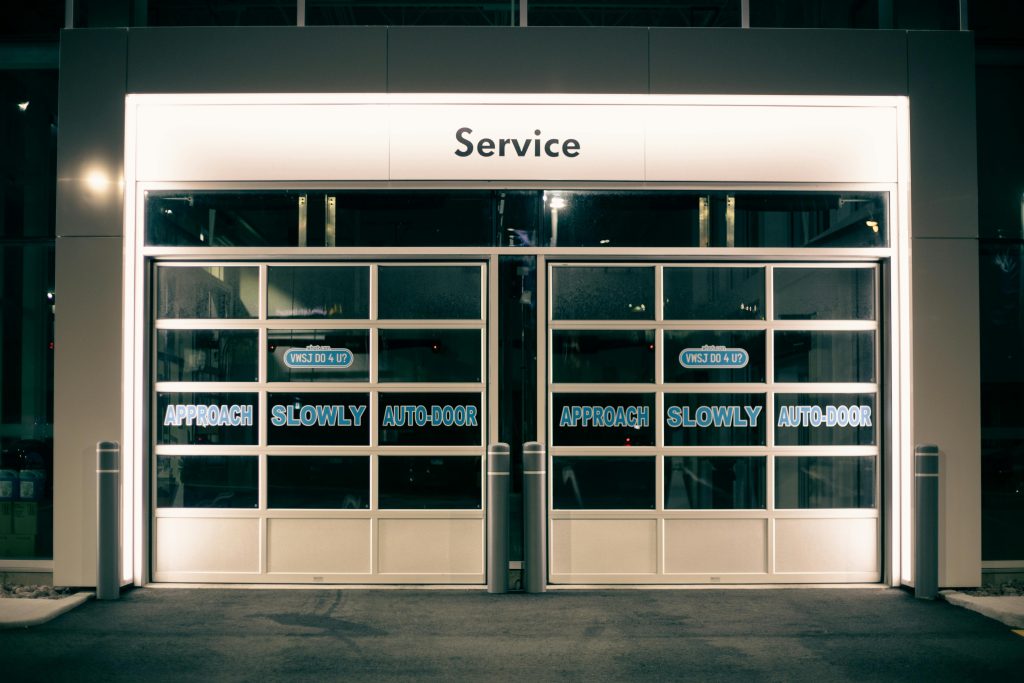
Your automatic sliding doors might be silently draining your energy budget right now. Every time those doors open a second too early or close a second too late, conditioned air escapes. This small gap adds up fast. In Australian summers and winters, poorly calibrated sensors can increase your HVAC workload by up to 30%. Here’s the good news: proper sensor calibration is straightforward. Whether you have framed or frameless sliding doors, the right adjustments can slash energy waste immediately. This guide walks you through the exact steps to diagnose sensor issues and fix them. You’ll also learn which upgrades deliver energy-efficient automatic door upgrades for long-term savings. Key Takeaways Miscalibrated sensors cause doors to stay open 2-5 seconds longer than needed, wasting HVAC energy. Most sensor adjustments take under 30 minutes with basic tools. Microwave and infrared sensors offer different benefits for Australian climates. Quarterly calibration checks prevent most energy-related door problems. Why Your Automatic Sliding Door Sensors Control Your Energy Bills Your automatic sliding door operator acts as a gatekeeper for climate control. When sensors misread the environment, they create invisible energy leaks. The Direct Link Between Door Timing and HVAC Load Think of your building as a balloon. Every time your sliding glass doors open, air escapes. The longer they stay open, the harder your HVAC works. Commercial door energy efficiency depends heavily on this simple math. Doors opening for passing foot traffic waste conditioned air Slow-closing doors extend the energy loss window False triggers from reflections or movement compound the problem How Australian Weather Makes This Worse Sliding doors Australia face unique challenges. Intense summer heat and winter cold create larger temperature gaps between inside and outside. Glass sliding doors Melbourne businesses install work overtime when sensors aren’t tuned for local conditions. Signs Your Sensors Need Calibration Right Now Before grabbing tools, confirm calibration is actually your problem. Sliding door sensor troubleshooting starts with observation. Obvious Warning Signs Watch your doors for five minutes during normal traffic. Look for these red flags: Doors open when nobody approaches Delayed response when people walk toward the entrance Doors staying open after the person has entered Hidden Energy Drains Some problems aren’t obvious. Your frameless sliding doors might look fine but still waste energy. Check if doors open for vehicles in nearby parking areas. Notice if wind causes false activations. These subtle issues drain your HVAC budget quietly. Step-by-Step Guide: How to Adjust Automatic Door Sensors for HVAC Savings Now let’s fix the problem. This process works for most framed sliding doors and automatic sliding doors that Australian buildings use. Step 1: Access Your Sensor Controls Locate the sensor unit above your door frame. Most automatic sliding doors have an access panel. You’ll find adjustment dials or digital controls inside. Always check your manual first, some systems require specific sequences. Step 2: Adjust Detection Range The detection zone determines when doors activate. For HVAC savings, you want the smallest effective range. Start by reducing the range to a minimum Test with a normal walking approach Increase the range slightly until the doors open at a comfortable time Step 3: Set Hold-Open Duration This controls how long doors stay open after activation. Most framed glass sliding doors default to 3-5 seconds. For energy efficiency, aim for 2-3 seconds in high-traffic areas. Low-traffic entrances can use shorter times. Choosing the Right Sensors: Smart Technology for Better Control Not all sensors perform equally. Smart sensors for sliding doors offer features that directly improve industrial door climate control. Sensor Type Comparison Table Sensor Type Best For Energy Efficiency Rating Weather Resistance Microwave High-traffic entrances Good Excellent Infrared (PIR) Low-traffic doors Very Good Good Dual-Technology Extreme weather areas Excellent Excellent Presence Sensors Retail environments Good Moderate Why Dual-Technology Sensors Win in Australia Frameless toughened glass doors paired with dual-technology sensors offer the best results. These combine microwave and infrared detection. They reduce false triggers while maintaining reliable activation. For frameless glass automatic doors in harsh Australian climates, this combination excels. Maintaining Climate Control Through Your Entrance Your entrance works as a system. Sensors alone can’t solve all energy problems. Industrial door climate control requires attention to door speed, seal condition, and airflow patterns. Fast-closing doors reduce open time. Proper seals prevent air leakage when closed. Air curtains add another layer of protection for extreme climates. Consider how traffic patterns affect your settings. Rush hour needs a different calibration than quiet periods. Some modern systems adjust automatically based on traffic volume. Creating a Maintenance Schedule That Prevents Problems Consistent automatic door maintenance Sydney businesses follow pays off. Don’t wait for problems to appear. Quarterly Calibration Checks Every three months, verify your automatic sliding doors still perform correctly. Sensors drift over time. Building vibrations shift alignment. Seasonal temperature changes affect sensitivity. Annual Professional Inspection Beyond DIY checks, have professionals inspect your automatic sliding door systems yearly. They spot wear patterns and component degradation you might miss. An Honest Word About Sensor Calibration Limits Here’s what nobody tells you: automatic door sensor calibration has limits. If your doors are older than 10 years, calibration might not solve deeper problems. Worn motors, damaged tracks, or outdated sensor technology can’t be fixed with adjustments alone. Sometimes you’ll calibrate perfectly and still see energy waste. Also, DIY calibration works for basic adjustments. But complex systems with integrated building management need a professional setup. Getting this wrong can void warranties or create safety issues. Know when to call experts. If your adjustments don’t improve performance after two attempts, stop. You might need component replacement rather than calibration. Pushing forward risks damage or compromised safety, not worth the savings. Conclusion Proper sensor calibration transforms your automatic sliding doors from energy drains into efficient building components. The connection between door timing and HVAC load is direct and measurable. Small adjustments create real savings. First, observe your doors this week. Note any obvious calibration problems. Second, schedule 30 minutes to adjust detection range and hold-open times using the steps above. Third, set a calendar
Why Your Automatic Sliding Door Is Failing Under Pressure (And How to Future-Proof High-Traffic Entrances)
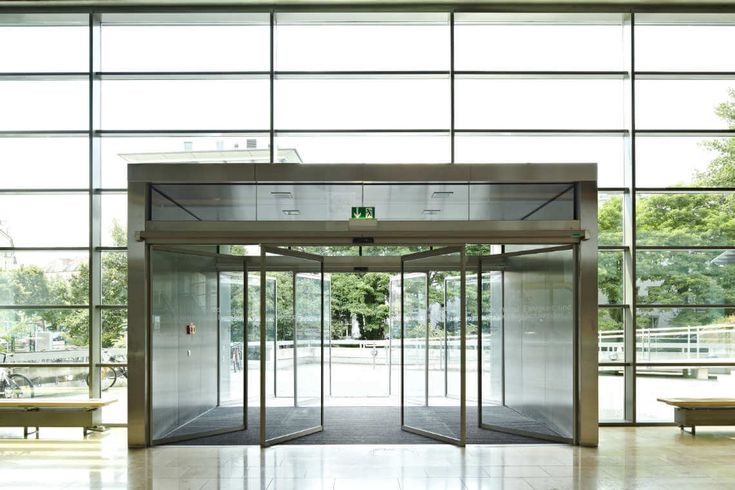
Your automatic sliding door worked perfectly for months. Now it hesitates. Sometimes it stops mid-cycle. Other times it won’t open at all. A line of frustrated customers forms at your entrance. Staff manually hold doors open. Your professional image suffers with every malfunction. This scenario plays out daily across Melbourne. Shopping centres, hospitals, office buildings, and retail stores face the same problem. High-traffic automatic doors weren’t designed for the punishment they receive. Standard doors handle average use. Your entrance sees constant traffic. The mismatch causes premature failure. Understanding why doors fail helps you prevent breakdowns. This guide explains common failure points. It shows you how to future-proof automatic door entrances for years of reliable service. Key Takeaways Automatic sliding doors fail from worn rollers and misaligned tracks; detect early to avoid breakdowns. Heavy-duty commercial models outperform standards for high-traffic, saving money long-term. Regular maintenance prevents emergencies and extends lifespan. Calibrate sensors for optimal speed, user experience, and HVAC efficiency. Why Automatic Sliding Doors Break Down in High-Traffic Facilities Why Automatic Sliding Doors Break Down in High-Traffic Facilities. And How to Prevent Costly Downtime. Understanding failure patterns helps you stop problems before they start. The Root Cause of Failures Why automatic door keep getting stuck? The answer usually involves wear exceeding design limits. Standard doors expect moderate use. Busy entrances demand constant operation. Components age faster than expected. Every opening cycle creates wear. Rollers grind against tracks. Motors heat up. Sensors process signals continuously. Multiply this by thousands of daily cycles. Components age rapidly under this pressure. Signs of excessive wear include: Slower opening and closing speeds Grinding or scraping noises during operation Hesitation before movement begins Inconsistent sensor response patterns Visible track damage or debris buildup Motor Overload Issues Choose the Right Replacement for Heavy-Use Facilities. Undersized motors strain under constant use and eventually burn out completely. Standard motors handle standard loads. Heavy glass panels need stronger motors. High cycle counts need commercial-grade operators. Mismatched components fail prematurely. The motor works harder than designed. Heat builds up. Internal components degrade. Eventually, the motor stops working entirely. Warning signs of motor stress include unusual humming sounds, slow operation, and intermittent failures during peak traffic times. Fix Stuck Sliding Doors Fast: Diagnose and Resolve Roller Wear Diagnose and resolve roller wear before it halts your business. Worn rollers cause most door failures and create cascading damage when ignored. Roller Inspection Process Auto sliding door troubleshooting starts with the rollers. They’re the most common failure point. Inspection takes minutes but prevents hours of downtime. Catching roller problems early saves money and frustration. Check for these roller problems: Flat spots from constant weight bearing Debris buildup in roller housings Cracked or chipped wheel surfaces Loose mounting brackets are creating a wobble Uneven wear patterns across rollers Rollers are consumable parts. They need replacement periodically. Don’t wait for complete failure. Replace them when wear becomes visible. This prevents track damage that costs more to fix. Track Alignment Solutions Are your noisy sliding doors driving staff crazy? Silence them with these alignment fixes. Misaligned tracks force rollers to work harder and create irritating sounds that echo through your facility. Tracks shift over time. Building a settlement causes movement. Impacts from carts and equipment bend rails. Even small misalignments create big problems. Doors stick. Noises develop. Wear accelerates. Professional realignment restores smooth operation. Technicians adjust track positions. They level mounting surfaces. They ensure proper clearances throughout the door’s travel path. How to Calibrate Your Automatic Sliding Door Sensors How to calibrate your automatic sliding door sensors to save your HVAC Budget. Poorly calibrated sensors waste energy by keeping doors open too long or frustrate users by responding slowly. Understanding Sensor Function How to troubleshoot sliding door sensors starts with understanding how they work. Motion sensors detect approaching people. Safety sensors prevent closing on obstacles. Presence sensors keep doors open when someone stands in the doorway. Each sensor type needs proper calibration. Too sensitive means constant false activation. Not sensitive enough means missed detections and collisions. Both extremes cause problems for users and equipment. Common sensor issues include: Detection zones set too wide or too narrow Sensitivity levels are inappropriate for traffic Dirty sensor lenses are causing misreadings Interference from nearby equipment Weather conditions affecting performance Balancing Energy and User Experience Doors staying open too long wastes conditioned air. Your HVAC works harder. Energy bills increase. Building comfort decreases. Hot or cold air rushes through open doorways constantly. Proper calibration means quick detection of approaching people. It provides appropriate hold-open times for safe passage. It ensures fast closing after clearance. It maintains a reliable safety sensor response throughout operation. Work with technicians to find the right balance. Test settings during actual traffic conditions. Adjust based on user feedback and energy monitoring. A Manager’s Guide to Picking Doors for Medical Facilities A Manager’s Guide to Picking an Automatic Sliding Door That Won’t Slow Down Your Medical Team. Healthcare environments demand reliability that standard commercial doors often can’t provide. Choosing the wrong doors creates daily frustrations. Staff wait for slow doors during emergencies. Gurneys get stuck in narrow openings. Equipment bumps against frames. Patient transport slows down. These problems compound during busy shifts when every second matters. Healthcare-Specific Requirements Hospitals need doors that work every time without fail. Emergency situations demand instant response. Staff push gurneys through constantly throughout shifts. Wheelchair access is essential for patient dignity. Failure isn’t an option when lives depend on quick movement. Best automatic doors for retail stores differ significantly from hospital requirements. Healthcare facilities have unique needs: Wider openings for the gurney and equipment passage Faster response times for emergency situations Higher cycle ratings for constant daily traffic Hands-free activation reduces contamination risk Durable construction withstanding equipment impacts Evaluating Door Performance Consider how doors perform under pressure. Test them during simulated busy conditions. Watch how they handle rapid successive openings. Check response times with different approach speeds. Key performance factors include: Opening speed from sensor activation Hold-open duration for safe passage Closing speed
Repair vs. Replace: How to Tell if Your Door Operator is Truly Dead
Is your automatic door acting weird? Maybe it’s slow or makes strange sounds. You’re constantly thinking, ” Can I fix this, or do I need a new one?” Every property owner asks this. Automatic door systems don’t last forever. But not every problem means death. Auto Ingress helps Australian property owners make smart choices. Let’s find out what your door says. Key Takeaways Warning signs appear before complete failure, and inconsistent operation gives you time to plan. Single-component failures are fixable; multiple failing systems signal replacement time. Age determines that some units usually repair well, while some units typically need replacement. Expert evaluation prevents costly mistakes. Understanding Your Automatic Door Operator What does a door operator actually do? Your automatic operator is the brain and muscle of your door. It controls when doors open, how fast they move, and keeps people safe with sensors. Auto door systems handle thousands of cycles yearly in rain, heat, and cold. Why Operators Fail Every auto door system wears down. Motors lose power. Sensors get dirty. Circuit boards fail. Understanding why helps spot trouble early. Common reasons include normal wear, power surges, lack of maintenance, and extreme weather. Troubleshooting Door Operators What are the common signs that your door operator is malfunctioning? Your door talks to you. Listen carefully. Grinding means metal parts struggle. Clicking suggests electrical problems. Humming without movement means motor issues. These faulty operator signs show something’s wrong, but don’t always mean replacement. Movement Problems to Watch When automatic doors move strangely, pay attention. Slow opening means motor wear. Stopping mid-cycle suggests sensor problems. Jerky movement indicates track damage. Won’t stay open points to control board issues. Door Stops Responding at All A dead door feels scary. Don’t panic. Sometimes the fix is simple. Check power. Look at the breaker. Test sensors. If basic checks fail, call automatic door repair experts. When Fixing Or Repairing Makes Sense Can an operator be repaired, or do I need to replace it? Many automatic sliding door repair jobs are straightforward. Sensors can be replaced easily. Belts swap simply. Some motors fix. Residential automatic doors often need small repairs and wear more slowly. Signs Repair Will Work Consider repair when your door is under 8 years old, only one part broke, the problem started suddenly, or basic functions still work. Finding Quality Repair Services Commercial operator repair needs expertise. Not every technician knows automatic door solutions. Ask about experience and check for common parts. Right Time For Replacement Of Automatic Doors Clear Signs of Terminal Failure Some problems mean your door operator is done. Many failing parts mean a breakdown. Can’t buy parts for force replacement. Electric door operator replacement becomes necessary when motors run, but doors don’t move, boards show burns, repairs fail, or parts don’t exist. Old Door Operators Need To Be Replaced How much does it cost to replace a faulty door operator? Garage door operator repair makes less sense on old units. After 12-15 years, breakdowns increase. Each fix lasts shorter. Modern auto door standards changed. Newer operators are safer and quieter. A Quick Guide To Making the Right Decision Factor Lean Toward Repair Lean Toward Replacing Age Under 8 years Over 12 years Failure Type Single part Multiple systems Parts Available Yes Discontinued Previous Repairs None or few Several recent Safety Features Current standards Outdated Experts check things you can’t see. They test electrical systems and measure motors. Commercial properties especially need professional evaluation. Preventing Future Failures How can I prevent my door operator from failing prematurely? Maintenance is your best friend. Clean sensors monthly. Oil moving parts quarterly. Get check-ups yearly. Pro Tip: keep tracks clear, test safety features, fix small problems fast, and protect electrical parts from water. Operator Replacement Costs and Timeline What are the risks of not replacing a broken operator on time? Ignoring problems creates bigger problems. Failing doors trap people and let the weather damage buildings. They create legal troubles. Garage door opener issues left unfixed can damage other parts. Small repairs become full replacements. Conclusion Your automatic door operator gives clear signals before dying. Listen to those signals. Strange sounds, slow movement, and odd behavior tell you if repair or door operator replacement makes sense. Take these steps today. Write down how your door acts. Check operator age and care history. Call a qualified technician for diagnosis. The right choice saves trouble and keeps people safe. FAQs 1. How do I know if my door operator needs repair or just a reset? Try unplugging it for 30 seconds and plugging it back in. If the problem goes away, it was just a glitch. If the problem comes back or never goes away, you need repair. 2. Why does my automatic door open by itself randomly? Random opening usually means your sensors are too sensitive or picking up movement they shouldn’t. Bugs, dirt, or nearby objects can trigger sensors. Clean your sensors and check for obstructions nearby. 3. Can I use a door operator from a different brand on my existing door? Most operators are brand-specific and won’t work with other brands. The mounting systems, wiring, and control boards are different. You usually need the same brand or a complete system replacement. 4. What should I do if my door operator remote stops working? First, replace the remote battery. If that doesn’t work, try reprogramming the remote following your manual instructions. If neither works, the receiver in your door operator might be broken. 5. Is it normal for my automatic door to make noise when opening? Some noise is normal, but loud grinding, squealing, or clicking is not. Light humming or soft mechanical sounds are fine. Loud or new noises mean something needs lubrication or repair soon.
How to Prevent Automatic Door “Ghosting” and False Triggers
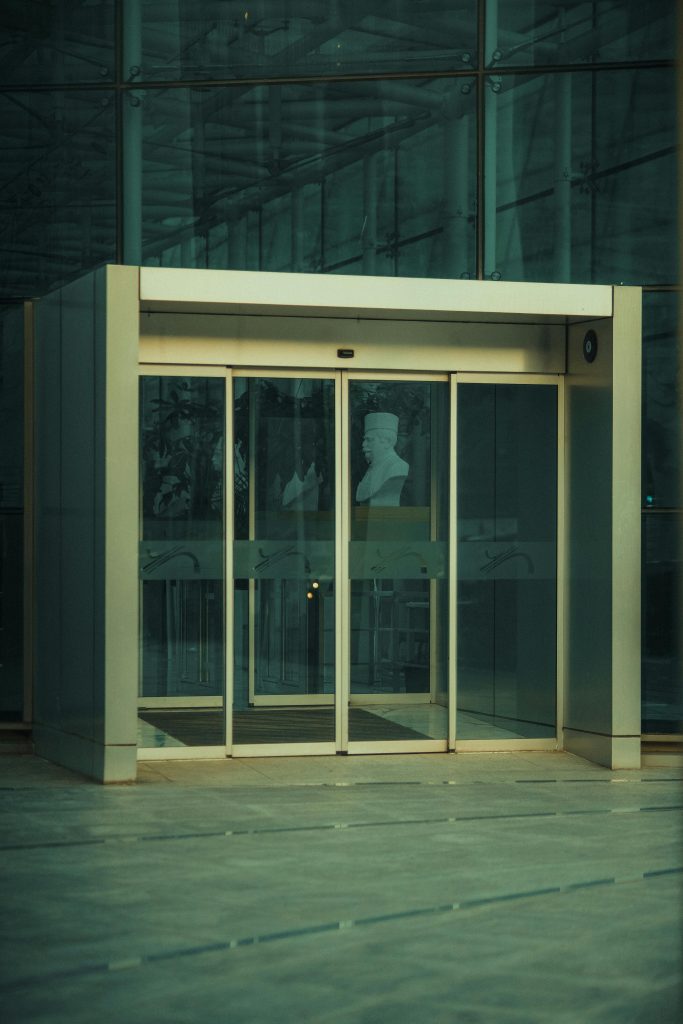
Ever seen a door open by itself? That’s called ghosting. Your automatic door opens when nobody’s there. It’s annoying and wastes energy. You need to fix it. This problem is common in Australia. Both homes and stores deal with it. The good news is you can fix most issues yourself. This guide shows you how to stop automatic door systems from acting weird. Key Takeaways Clean your sensors once a month to stop most false triggers. Adjust sensor angles to fix unwanted door openings. Cold weather can make sensors work badly. Turn your system off and on to fix many problems instantly. The Reason Why Doors Open by Themselves Door ghosting means your automatic doors open without reason. Nobody’s near the door, but it opens anyway. This happens with sliding doors and swing doors. Some people call it a phantom operation. Why Automatic Door Sensors Fail Your automatic door operator uses sensors to see people. When sensors get confused, doors open randomly. Here’s what causes problems: Dirt on sensor lenses Plastic bags or leaves blowing by Shiny floors reflecting light back Vibrations from other machines How Sensors Work Auto door systems use different sensors. Motion sensors see you walking up. Safety sensors stop doors from hitting you. When one sensor breaks, ghosting starts. Weather and Environment Problems Can weather conditions affect automatic door sensors? Yes. Rain and cold weather mess up sensors. Ice builds up and blocks beams. Wind creates pressure that confuses detectors. Your automatic door troubleshooting gets harder in winter. Sunlight Makes Things Worse Bright sun blinds sensors at certain times. Shiny floors bounce light upward. Glass doors create fake reflections. Sensors think these reflections are people walking. Air Vents Cause Issues Air conditioning blows signs near doors. Heat creates temperature changes. Even small air movements trigger sensitive automatic door solutions. Check if vents point at your door. Cleaning and Fixing Sensors Dirt causes most false triggers. Wipe sensor lenses with a soft cloth every month. Remove spider webs. This simple step prevents most automatic door repair problems. Proper Calibration Of Automatic Doors? Walk toward your door from different spots. It should open when you’re 3-5 feet away. If it opens too early, calibration is wrong. Most auto door operators have adjustment dials you can turn. Adjust Detection Zones Your sensors can be adjusted. Make the field narrower if sidewalk people trigger it. Point sensors down slightly. Turn down sensitivity on windy days. Problem Quick Fix Time Dirty sensors Clean with a cloth 5 minutes Too sensitive Turn down the dial 10 minutes Wrong angle Adjust mount 15 minutes Power issue Turn off and on 2 minutes Common Problems and Easy Fixes What causes automatic doors to trigger without anyone near? Three things cause phantom triggers. Sensors point the wrong way. Phones or radios confuse signals. Control boards fail and send random signals. Prevent It From Opening by Itself Turn off the power to your auto door. Wait 30 seconds. Turn it back on. This clears glitches. Try this first. Many automatic door malfunctions disappear right away. Remove Things That Trigger Sensors Walk around your door. Look for moving plants or swinging signs. Even small movements trigger sensors. Clear 6 feet around the door. Move the displays back from the entrance. This stops most false activations and helps with preventing automatic door false triggers. Maintenance Tips Spend two minutes checking your door daily. Watch how it works. Listen for weird sounds. Look at sensor lights. Notice if timing changes. Best Practices for Maintaince Of Automatic Doors Clean the sensors monthly. Oil moving parts every three months. Get professional checks yearly. Keep tracks clear. Test safety features. Write down any problems you see. When to Call Help Some problems need experts. Call professionals if restarting doesn’t work. Get help when sensors won’t adjust. Contact commercial door specialists if ghosting happens many times daily. Emergency Steps What should I do if my automatic door keeps malfunctioning? Switch to manual mode if you can. This keeps people safe. Clean all sensors right away. Check for things blocking the door. Try turning the power off and on. Write down when ghosting happens. Keep a Log Write down every problem. Note the date and time. Record weather. Write what the door did wrong. This helps professionals find the real cause. Conclusion Door ghosting is fixable. Dirty sensors cause most problems. Weather and electronic glitches cause others. Regular cleaning prevents issues before they start. Clean your sensors today. Watch your door for patterns. Call professionals if problems continue. These steps keep your automatic door solutions working right. Stop phantom doors now. Your auto doors should work safely every day. Whether you need automatic residential door systems or commercial help, proper care makes everything better. FAQs 1. Do automatic doors require special permits or inspections in Australia? Most commercial automatic doors need compliance inspections for disability access standards. Residential installations typically don’t require permits. Check with local councils for specific requirements. 2. Can I disable my automatic door temporarily without damaging it? Yes, switch to manual mode using the control panel or disconnect power at the circuit breaker. Consult your manual for proper shutdown procedures. 3. Why does my automatic door open at night with no one around? Nighttime ghosting often stems from infrared sensors picking up heat from nearby lights or animals. Cover or reposition sensors to ignore low-level heat sources. 4. Are there smartphone apps to control automatic door systems? Modern automatic door operators increasingly offer app-based controls to monitor status, adjust schedules, and receive alerts. Older systems may need upgrades for smart features. 5. How do I stop automatic doors from triggering by passing cars? Vibrations and headlights from cars fool external sensors. Extend the detection range inward or add vehicle-filter settings if available. Relocate sensors away from roadsides.
Innovations in Automatic Door Technology: Trends for 2026
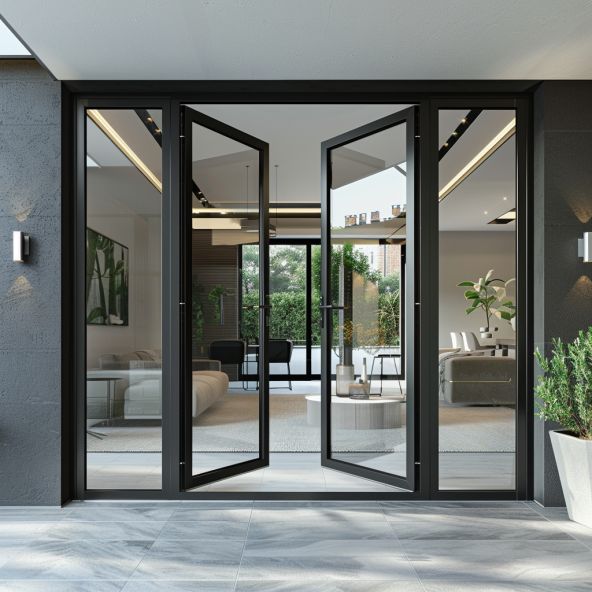
Walking into a building should feel seamless, not like you’re wrestling with a stubborn door. That’s exactly what the latest automatic door systems are delivering in 2026. The technology has evolved from simple motion sensors to intelligent, AI-powered solutions that anticipate your needs, keep you safe, and slash energy bills. Key Takeaways AI and IoT make automatic door systems predictive and adaptive to real-time traffic Touchless doors and biometric access systems are standard Next-generation sensors improve safety with pinpoint accuracy Smart doors cut energy costs by building automation systems The AI and IoT Revolution How are AI and IoT transforming the future of automatic doors? They’re turning basic entry points into intelligent systems that learn and adapt. Modern automatic door operators analyze foot traffic, adjust opening speeds based on crowds, and predict maintenance needs before breakdowns. Your automatic door solutions communicate with HVAC systems, security cameras, and access control panels. When an auto door detects low traffic, it signals climate control to reduce energy use. During peak hours, systems optimize cycles to maintain comfort while handling crowds. IoT connectivity lets you monitor every door operator from one dashboard. You get instant alerts, usage stats, and maintenance scheduling based on actual wear. Smart Features That Matter What clever things must businesses find in new auto door systems? Target adaptive speed, multi-sensor integration, and smooth connectivity. Adaptive Speed and Assessment: The most improved auto door systems have adaptive speed control, which detects the approaching individuals and the speed of the individual, and automatically determines whether the user requires any special accessibility. Sophisticated Sensing Technology: In the latest models, 3D cameras are used to differentiate a wheelchair user, someone with boxes, or a running kid, which has greatly minimized the number of accidents that the old sensor on the door can still cause. Smart residential integration: Smart residential doors are integrated with voice assistants, home security, and even the local weather. Dynamic Energy Efficiency: Energetically efficient doors are now synchronized with the building automation systems to prevent as much heat loss as possible by remaining open more when out in harsh weather conditions, besides only opening as wide as is required by the traffic passing through. Touchless Technology: The New Standard Are touchless automatic doors becoming the industry standard in 2026? Absolutely. The demand exploded during health crises, but convenience and hygiene have made them permanent. Wave-to-open sensors, proximity detection, and facial recognition eliminate physical contact. Your commercial automatic doors identify authorized personnel through biometric access systems without badges or codes. For healthcare, food service, and hospitality, touchless operation is expected. Auto doors Australia suppliers report that the majority of installations include touchless activation as standard in specific industries. Current systems distinguish between someone approaching and just walking past, reducing unnecessary cycles that waste energy. Next-Generation Sensors and Safety How do next-gen sensors improve the safety and reliability of doors? Modern sensors create invisible safety zones protecting users from all angles. Today’s intelligent door solutions monitor the entire door area, approach path, and space behind the door. Advanced automatic door sensors use radar, infrared, pressure mats, and optical systems simultaneously. If someone stumbles near a closing door, the system reverses instantly. If a child runs into the sensor zone, the door responds to their size and speed. Modern auto door operators include predictive analytics that flag maintenance needs before issues become safety hazards. Industry Applications What industries will benefit most from advanced auto door technology? Healthcare facilities gain from automated access control that limits germ transmission. Retail uses smart doors to analyze customer flow. Manufacturing plants need automatic door systems that integrate with security protocols. Educational institutions use intelligent door solutions that can instantly switch to emergency lockdown modes. Energy Efficiency and Cost Savings How do smart door systems help reduce energy costs? By minimizing open time and optimizing based on conditions. Traditional auto doors stay open for fixed durations. Smart systems adjust on the fly, keeping doors closed longer in extreme weather. Integration with building automation systems lets your doors participate in energy management. Analytics identify inefficiencies if an entrance gets minimal use during certain hours, you can adjust access patterns to save energy. Making the Upgrade Decision Is it worth upgrading from traditional to smart automatic doors in 2026? The Seven-Year Benchmark: If your current system is over seven years old, upgrading is almost certainly the right move to avoid obsolescence and rising failure rates. Tangible ROI: Return on Investment is realized quickly through significantly reduced maintenance costs, lower energy bills, and a smoother user experience. Calculated Payback Period: When you factor in the reduction of emergency service calls and energy waste, many businesses find that upgraded automatic door systems pay for themselves within just three to four years. Risk & Liability Reduction: Modern safety features drastically decrease door-related injuries, protecting you from insurance claims, while enhanced security measures guard against unauthorized access far better than legacy systems. Biometrics and Building Access What role will biometrics play in the future of building entry systems? Biometric access systems now include facial recognition, iris scanning, and gait analysis. These integrate with automatic door operators, creating frictionless entry where authorized individuals simply walk up and doors open. Privacy concerns are addressed through edge computing that processes biometric data locally. Multi-factor systems combine facial recognition with behavioral patterns, ensuring sophisticated spoofing attempts fail. Your commercial automatic doors become the first defense in comprehensive security. Conclusion In 2026, the technology of automatic doors will be miles further than it was a few years ago. Smart functionality is coming across the board in terms of price. It is now about the role of AI, contactless operation, and energy efficiency. Smart automatic doors on buildings provide more information, reduce the expenses of operation, and improve security for all. Frequently Asked Questions 1. How do next-gen sensors improve the safety and reliability of automatic doors? They also have several detection technologies running at the same time to detect from every angle. This establishes extensive safety areas that identify