
Safety Features and Compliance Standards for Automatic Doors
Do you ever lie awake wondering if your facility’s automatic doors are a lawsuit waiting to happen? You have all the reasons to worry with the confusing rules and regulations, the unexpected notice of inspections, and the tales of disaster you may hear about accidents. You may be overseeing a shopping center, or you may be browsing the choices that are available to you at home, but you need to know about the safety standards. The regulations vary, with the residential automatic doors having their reasons, whereas the busy surroundings are under stricter examination. We should cut off all the noise and discuss what, in fact, makes your doors safe. Key Takeaways Get professional inspections plus quick checks by your staff. Safety sensors are required and prevent most injuries. ADA compliance means meeting specific requirements. Most accidents happen because of dirty sensors or skipped maintenance. What Makes Automatic Doors Actually Safe? When you install auto door systems, you’re responsible for everyone who walks through them. The Non-Negotiable Stuff Your automatic door operator needs: Proper sensor coverage protects every spot where someone could get trapped or hit, the swing path, hinges, and threshold. Smart speed controls that open quickly but close slowly enough that nobody gets hurt. Emergency backup, so if the power dies, your doors either go manual or stay open. Nobody gets trapped. Clear warning signs that people can actually see and read. This applies whether you’re setting up a private estate or handling commercial automatic doors in retail spaces and hospitals. Commercial installations face stricter scrutiny because of higher traffic and public access, but the core safety principles stay the same. Must Have Safety Features For Automatic Door Here’s where automatic door safety gets real. You need multiple sensor types working together: Motion sensors spot people approaching and trigger doors before you reach them. Presence sensors catch people standing still in doorways. Someone stops to check their phone? The door won’t close on them. Safety beams create an invisible barrier. Break the beam while walking through, and the door stays put. Pressure mats feel weight changes. Step on one, door stays open. How Safety Sensors Work on Sliding and Swing Doors Sliding doors use overhead sensors, creating a detection zone several feet out. Pretty straightforward. Swing doors are trickier because they move in an arc. You need sensors on both sides watching the entire swing path. Modern radar sensors can predict if you’re approaching or just hanging around, so auto door operators respond smarter. Safety edges are your mechanical backup, rubberized strips that reverse the door instantly if it touches anything. Electronic sensors fail sometimes; physics doesn’t. For residential settings, homeowners often go with simpler sensor packages. But if you’re running a business, you need the full safety stack. Commercial automatic door systems require comprehensive sensor arrays because you’re dealing with constant traffic, varying user abilities, and serious liability exposure. DDA Compliance: What You Actually Need The Australians with disabilities act isn’t just about wheelchair access. For DDA-compliance, you need: 32-inch minimum clear opening 5 pounds maximum force for manual operation (automatic systems eliminate this worry) 5-6 feet sensor range, so doors open before people reach them Industrial doors handle forklifts and heavy loads, so you need multiple sensor zones, warning lights, and breakaway panels. Why Automatic Doors Cause Accidents What Are the Most Common Causes of Automatic Door Accidents? Dirty or broken sensors cause most injuries. Can’t detect obstructions? Doors close on people. It’s completely preventable. Cheap installation by uncertified technicians creates chaos. Misaligned sensors mean unpredictable doors. Skipped maintenance kills systems. Commercial automatic doors open thousands of times daily. Debris in the tracks jams doors mid-operation. Someone walking through at the wrong moment gets trapped. Automatic Door Inspection Standards & Frequency How often is inspection needed for safety compliance? Legally, once yearly minimum. Smart facilities do it twice. Between professional visits, your staff should run quick weekly checks, test sensors, watch for smooth operation, clear debris, and verify signage. Keep a logbook. Document everything. When inspectors show up or lawyers come calling, that logbook saves you. ADA Compliance Absolutely. No wiggle room here for commercial facilities. Meet the automatic door standards or face fines and lawsuits. Identifying Non-Compliant Doors Are doors closing too fast? Sensors missing people? Signage peeling off? No maintenance records? These aren’t minor issues; they’re red flags screaming, “Call a technician now.” Sensor and Motion Detector Requirements Sliding doors need activation and safety sensors. Swing doors need coverage on both sides. Revolving doors need sensors everywhere, plus emergency stops. Conclusion Pick automatic door solutions for your actual needs. Hospitals need touchless and antimicrobial. Retail needs wide openings and speed. Offices want energy efficiency. Budget the full picture, certified installation, maintenance contracts, and documentation. Cutting corners on automatic door safety sensors to save a few bucks? That’s how accidents happen. Safe automatic door systems aren’t rocket science: install proper sensors, inspect twice yearly, check weekly, document everything, and use certified techs only. We provide the best quality auto doors in Australia. Visit Autoingress. Frequently Asked Questions 1. How often do automatic doors need to be inspected for safety compliance? At least once a year (thrice in high-traffic areas), and staff checks every week between professional visits. 2. What are the most common causes of automatic door accidents? Most injuries are brought about by malfunctioning sensors, and secondly, is bad installations, missed maintenance, and jammed tracks. 3. Are automatic doors required to comply with DDA accessibility rules? Yes, DDA requirements of the width of all commercial doors, their sensor range, and operating force. 4. How can I tell if my automatic door is non-compliant? Watch for fast closing, inconsistent sensors, missing signage, strange noises, or maintenance gaps over 12 months. 5. Do all automatic doors need sensors or motion detectors? Yes, according to safety standards, safety sensors are required on all power-operated doors, though types vary by configuration.
How to Choose the Right Automatic Door System for Your Building

Have you ever been stuck behind a slow automatic door in the morning rush hour, or have you ever had one make a complete breakdown at the time you need, want, or need it the most? The process of identifying the appropriate auto doors Australia solution is not complex when one has the right things in mind. Key Takeaways Busy entrances need automatic sliding doors, quieter spaces can use swing systems Good sensors and emergency functions protect people and meet compliance standards Energy-efficient systems pay for themselves through lower utility costs Professional assessment catches problems before they become expensive surprises Understanding Different Door Systems The first step in choosing your automatic door operator is understanding what’s available and which system matches your needs. Sliding Door Solutions Got hundreds of people coming through daily? You need high-traffic automatic doors that are highly efficient. Automatic sliding doors are quick, tough, and seal properly to keep energy bills reasonable. These systems glide horizontally, handle heavy use better, and dominate shopping centers and office buildings for good reason. Residential Applications For home environments, everyone wants smooth operation without an industrial feel or noise. Residential automatic doors blend with your home’s design while providing convenience for family members of all ages and abilities. These installations focus on quieter motors and designs. Commercial Installations Business environments demand reliability because downtime directly impacts operations and customer experience. Commercial automatic doors easily handle constant use from opening to closing, requiring robust auto door operators designed for thousands of daily cycles. These need fast operation speeds for peak traffic and professional-grade sensors that won’t falsely trigger. Healthcare and Accessibility Standards Hospital and medical centers require the expansion of the bed and equipment space, no-touch functionality to ensure hygiene, and reduced speed to serve patients with mobility-related issues. Hospital automatic door systems ensure infection control measures, as well as being reliable and operational 24/7. Equally, installations that are in compliance with the requirements of the NDIS automatic door must have certain safety certification and accessibility provisions that must meet the government requirements, such that all people will be able to enter and exit without difficulty or any harm. Planning and Professional Considerations Getting your auto door solution right requires proper planning and coordination with professionals throughout your project. Developer Requirements When planning new construction, auto doors need specification from the earliest design phases. Developers must coordinate door systems with electrical rough-ins, structural openings, and access control infrastructure before concrete gets poured. Budget allocations should include equipment and integration costs with building management systems. Getting details right early prevents expensive change orders and delays later. Builder Integration Construction timelines depend on coordinating multiple trades. Builders need to schedule installations at the right phase; too early and doors get damaged, too late and you’re holding up inspections. Proper framing, electrical placement, and floor coordination impact installation smoothness. Security auto door operators require precise rough openings and an adequate power supply, meaning close work with door suppliers during framing to avoid costly adjustments. Architectural Design Input Auto door operators are both functional elements and significant aesthetic features of your entrance. Architects balance appearance with performance, selecting systems that complement design vision while meeting practical requirements. Material selections, finish options, and door styles need coordination with the building’s architectural language. You’re specifying an entrance experience that welcomes people while maintaining security, energy efficiency, and accessibility compliance. Facilities Management Perspective Once operational, someone maintains these systems for years. Facilities management teams handle maintenance schedules, parts availability, service contracts, and troubleshooting. Managing multiple properties means standardizing systems to simplify training and inventory. Energy Efficiency and Long-Term Value Your automatic door operator either saves money or bleeds it daily. Every opening potentially dumps expensive conditioned air outside. Energy-efficient auto door systems make a real difference through: Fast open-close cycles: Minimize the time air can exchange between the inside and outside environments Proper sealing systems: Stop drafts when closed, keeping your conditioned air where it belongs Adjustable timing controls: Doors stay open only as long as necessary for traffic flow Climate-responsive sensors: Advanced systems adjust operation based on temperature differences Check maintenance needs, parts availability, and manufacturer support networks. Systems requiring proprietary parts with inflated prices cost significantly more over their lifespan than slightly pricier installations with readily available components. Conclusion Match your door type according to how people actually use your building, don’t save money on safety features, and think about total cost over the years rather than just installation price. Whether handling commercial entrance solutions or making residential spaces more accessible, the right professional guidance makes this straightforward. Ask detailed questions, compare properly, and you’ll end up with auto doors that just work. Frequently Asked Questions Which type of automatic door is best for high-traffic areas? Automatic sliding doors are your best bet for high traffic because they’re faster, need less clearance, and handle heavy use without constant issues. They move more people through quickly and last longer in demanding commercial spaces. How do automatic sliding doors compare to swing doors? Sliding doors win for busy spaces; they’re faster and more energy efficient. Swing doors are better when you’ve got lower traffic, heritage aesthetics to maintain, or need that traditional look with automatic convenience. What safety features are essential in an automatic door system? You need multiple motion sensors (infrared and microwave), safety beams that stop the door instantly, and emergency breakaway functions. Battery backup and Australian compliance aren’t optional either. How much does it cost to install an automatic door system? Australian households weighing up an automatic garage door can expect to pay anywhere from $1,200 to $4,500 for a single roller or sectional door, supplied and professionally installed, and roughly $2,400–$6,800 for a double. Can automatic doors improve energy efficiency in my building? Absolutely, good doors cut down on air loss by closing quickly and sealing properly. You’re looking at potentially 20-30% savings on heating and cooling costs at main entrances, which adds up fast.
Essential Maintenance Tips for Automatic Doors to Ensure Longevity

Is your auto door system slowing down, making strange noises, or failing to respond when you need it most? Most of the malfunctions can be explained by the fact that property owners do not know what maintenance work is actually important. A little bit of concentration for a few minutes per week can prevent failures. Dealing with a commercial door entry system or you are just finding it convenient to use the auto doors at home, ignorance in maintenance will cost you thousands of dollars in untimely repairs. So many cycles, your auto door operator goes through day after day without proper attention; it is bound to break down. Key Takeaways Clean sensors weekly to prevent response failures and ensure instant reactions Lubricate moving parts monthly to eliminate noises and reduce component wear Test safety features regularly to protect people and avoid liability issues Schedule professional servicing annually to catch problems early Auto Door Failures and their Fix When dust accumulates on sensors, dirt builds up in tracks, lubrication dries out, and sadly, your investment starts failing. The sensors can’t detect people properly, the door moves sluggishly, and that professional entrance becomes an embarrassing headache. Most maintenance issues stem from three problems: Dirty sensors Inadequate lubrication Ignored warning signs. Address these consistently, and you’ll avoid 90% of emergency automatic door repair calls. The sensor problem The auto door system uses sensors to detect movement. If there is dust over them, they won’t work properly. And this results in the door not opening or pausing when someone approaches it. Lubrication breakdown Without proper lubrication of auto door systems, rollers grind, tracks deteriorate, and the motor works harder than designed, shortening its lifespan by years. Ignored warning signs That grinding noise? Is the door moving more slowly? Track alignment is off. Ignoring these signals means choosing expensive emergency repairs over simple fixes. The Weekly Maintenance Routine Forget complicated schedules. Here’s the weekly routine that keeps your door system operating perfectly. Cleaning the sensor Clean both lenses with a soft and clean cloth with a light cleaning solution. Don’t spray on the sensor. Track inspection Ensure the tracks are free from leaves, dirt, and debris by thoroughly cleaning them. Even tiny pebbles can jam the mechanism in sliding framed or frameless sliding door systems. Use a moist cloth to clean the threshold. Quick operational test Do a brief operational test by moving through the sensor zone from different angles. The door must react immediately. That’s 10 minutes weekly that prevents thousands in repairs. Monthly Deep Maintenance: Lubrication and Safety Checks Proper lubrication technique matters. Use only silicone-based lubricant designed for auto doors. Apply a light coating to: Rollers and wheels Hinges and pivot points Track edges (sparingly) Moving metal-on-metal contact points Wipe away excess immediately. Too much lubricant collects dirt and creates problems. Automated door servicing includes safety testing. Place a solid object in the door’s path. The door must stop immediately and reverse. If it doesn’t, call a professional; this is a safety hazard. Alignment inspection prevents major failures. Watch the door complete several full cycles. It should move smoothly without wobbling or scraping. Misalignment strains the motor and will destroy your auto door operators. Inspect electrical connections. Look for loose wires, corrosion, or burn marks. If you see anything concerning, call a professional. When To Seek Professional Help Immediate professional attention is needed for: Motor overheating or burning smells Electrical sparking or power fluctuations Cracked door panels or bent tracks Control board malfunctions Persistent misalignment issues Depending on traffic, schedule expert servicing every six to twelve months. While an automatic residential door system can last up to 12 months, high-use commercial auto doors need maintenance twice a year. Create Your Simple Maintenance Calendar Weekly: Clean sensors and automatic door sensors cleaning Sweep and wipe tracks Test door response Monthly: Lubricate all moving parts Complete automatic door safety checks Check alignment Inspect electrical connections Every 6-12 months: Schedule professional servicing Replace worn components Document everything. Keep a simple log of maintenance tasks and note any unusual behavior. Conclusion Your automatic door solutions don’t have to be a constant source of stress. Start today. Clean your sensors right now. Tomorrow, check your tracks. By next week, you’ll have a routine that becomes second nature. Your doors will respond faster, move smoothly, and last longer. The question isn’t whether you have time for maintenance. The question is whether you have time for emergency repairs, angry customers, and premature system replacement. Need expert help with your auto door in Australia? Contact Autoingress for professional servicing and auto door solutions. Frequently Asked Questions How often should I perform maintenance on automatic doors? Clean and check automatic door sensors, lubricate them, check automatic door safety guided by schedule, and have professional servicing every 6-12 months. What are the most important parts to check on an automatic door? Sensors are most critical; clean them weekly and ensure instant response to movement. Check tracks for debris causing jamming, test safety features to prevent accidents, and listen for unusual sounds indicating worn rollers or misalignment. How do I clean and lubricate automatic doors properly? First, clean it with a soft cloth and a light cleaning solution. Do not spray on the sensor lens. Monthly, rub silicon-based lubricant on rollers and hinges. Remove any dirt or dust regularly. What safety checks are essential for automatic doors? Test force sensors every month by placing an object in the path of the door. Check that they detect people in different positions, emergency stop buttons are working correctly, and that safety decals are not missing. How to extend the lifespan of automatic doors? Clean sensors once a week, lubricate them once a month. Get them services from professionals once a year. Keep it clean and fix small issues as soon as you see them.
Key Benefits of Automatic Door Systems for Businesses and Homes
You are concerned about compliance with accessibility while energy bills continue to increase, and customers cannot use heavy doors. They are not small issues; they are costing you actual money and could even get you involved in legal stuff. Research indicates that automatic doors save 43% of the energy consumed by manual doors and do not keep unwanted air indoors, and also ensure comfort in the interiors. Your manual doors are working against you. Whether you run a business or manage a home, automatic door systems solve multiple headaches at once by reducing energy costs, improving accessibility, enhancing hygiene, and boosting property value. Key Takeaways Energy savings of up to 43% through controlled airflow and reduced HVAC strain Touchless operation reduces germ transmission by eliminating high-contact door surfaces Accessibility compliance prevents legal issues while serving elderly and disabled users ROI within 2-4 years through combined energy savings and reduced maintenance costs The Energy Drain You’re Ignoring It takes 8 to 12 seconds to remain open whenever somebody passes through your manual door. That is eight to twelve seconds of conditioned air escaping. Do that by all the individuals who come into your building each day, and you are heating or cooling the place. What role does an automatic door play in energy saving in residential and commercial buildings? Automatic doors offer more options in controlling airflow and temperature since it is able to open only when sensors sense the presence of someone and close within a period of 2-3 seconds. Accessibility Isn’t Optional Anymore One accessibility complaint can trigger expensive modifications, legal fees, and damage to your reputation. But even without the legal pressure, think about who’s struggling with your doors right now. How do automatic doors improve accessibility for disabled individuals? They remove the barrier completely: Wheelchair users don’t struggle with heavy doors Elderly folks with limited strength enter independently Parents juggling strollers and kids get through easily People carrying packages don’t need a third hand Nobody feels like they’re causing trouble or need special help Your elderly customers won’t complain about heavy doors. They’ll just quietly go somewhere easier. Same with parents pushing strollers or anyone recovering from an injury. The Hygiene Factor Everyone’s Thinking About How do automatic doors reduce the spread of germs? Simple, nobody touches anything. Professional sliding framed and frameless automatic doors operate completely hands-free. You approach, they open, you walk through. Zero contact with potentially contaminated surfaces. This problem received great focus when there were health-related issues that were so important, but it is still worth it. Cold and flu season, bugs making the rounds of the stomach, whatever, touchless operation prevents that infection. This is already known by the medical facilities and food service businesses, but it is important to any business where the health and perception of cleanliness of your customers influences your bottom line. When Your Staff Becomes Door Attendants What are the main advantages of installing automatic doors in businesses? Beyond energy and accessibility: Staff focus on actual work—greeting customers, answering calls, processing sales No more interruptions to help people through doors Smoothly opening doors creates a professional first impression Signals you’re modern and pay attention to details Avoids the negative vibe from stiff, squeaky manual doors Why Homes Are Getting Automatic Doors Too You’re probably thinking this is all about businesses. Not anymore. Residential automatic door systems are becoming standard for homeowners who want convenience, accessibility, and energy efficiency. Carrying groceries, managing kids and strollers, and helping aging parents handle these daily situations effortlessly. Smart home integration lets your automatic door operators connect with existing systems, unlock via phone, and adjust based on time or weather. It’s practical convenience that improves daily living and increases property value. Making It Work for Your Business Are automatic doors cost-effective for small businesses? Depends on your situation, honestly. If you’re in a climate with extreme temperatures, have decent foot traffic, or face accessibility requirements, you’ll typically see payback within 2-4 years just from energy savings. Commercial automatic door installations serve all kinds of businesses differently: Retail stores handle high traffic without staff help. Office buildings integrate access control for security. Healthcare facilities need wide openings and infection control. Restaurants maintain climate control with seamless transitions. Conclusion Automatic door systems solve real problems like energy waste, accessibility barriers, hygiene concerns, and operational inefficiencies. You get measurable savings, compliance protection, touchless operation, and improved convenience. The investment pays for itself through energy savings alone, plus you’re getting reduced maintenance and increased property value, whether business or home. Automatic doors make sense financially and operationally. Ready to stop losing money on energy waste? Talk to a professional about which system fits your needs and start saving from day one. Frequently Asked Questions What maintenance do automatic door systems require? You’ll need quarterly sensor cleaning, annual safety inspections, and occasional adjustments to closing speeds. Maintenance contracts are offered to most businesses, where everything is covered; it is easier than being piecemeal. Can automatic doors be installed on existing doorways? Usually, yes, though you might need some structural modifications depending on your current setup. A business consultation will give you the real picture of what it is and what it will cost in your particular case. Do automatic doors work in extreme weather conditions? Quality systems are built for it with weather-resistant components, thermal breaks, and robust sealing. The sensors may require replacement after 5-7 years of usage and under certain conditions. How long do automatic door systems typically last? Commercial-grade operators run 10-15 years with proper maintenance. Sensors might need replacement every 5-7 years, depending on usage and environment, but the main systems are built to last. Are there different automatic door types for different applications? Yes: sliding doors when there is a high trafficking retail store, swing doors when the store is retrofitted, revolving doors when the building is very large and the energy consumption is maximum.
What Are The Different Types of Automatic Doors? Your Complete Decision Guide
You’re standing in front of your building project, architect plans in hand, completely overwhelmed by door choices. Should you go sliding? Swinging? Revolving? With construction delays costing $1.6 million per day on average projects and wrong door choices leading to accessibility violations, energy waste, and unhappy occupants, this decision keeps you awake at night. Each type of door serves specific needs, and choosing the wrong one costs you big time in retrofitting, compliance issues, and operational headaches. Let’s solve your door selection crisis with professional automatic door systems that match your exact requirements. Key Takeaways Sliding doors handle 80% of commercial applications, but fail in high-wind areas and narrow spaces. Automatic revolving doors save up to 75,000 kilowatt-hours annually, but create accessibility challenges. Automatic hospital doors require specialized hygienic features and emergency breakaway capabilities. Automatic commercial doors need durability testing for 2+ million cycles vs. residential requirements of 200,000 cycles. Your Door Selection Headaches – And How To Solve Them Problem #1: Energy Bills Are Killing Your Budget Your HVAC costs are through the roof because your current doors let conditioned air escape constantly. Research shows revolving doors can save 75,000 kilowatt-hours of energy, eliminating 14.6 tons of carbon dioxide compared to traditional swing doors. What is the best type of automatic door for commercial buildings? It depends on your traffic patterns: High-Traffic Solutions Automatic revolving doors create airlocks that maintain building pressure Automatic sliding doors with vestibule systems for code compliance Energy-efficient doors with thermal breaks and weather sealing Are revolving doors energy efficient? Absolutely. They’re the gold standard for energy conservation in commercial spaces with over 500 daily users. Problem #2: Accessibility Compliance Nightmares You’re facing ADA violations or struggling to accommodate wheelchair users, medical equipment, and elderly visitors. Which automatic doors are best for accessibility? Accessibility Champions Automatic sliding doors provide wider openings (up to 10 feet) Automatic swinging doors work well for single-direction heavy traffic Low-energy swing doors meet ADA force requirements Accessibility Killers Standard revolving doors (unless you provide alternative accessible entrances) Narrow folding doors that create bottlenecks High-threshold sliding systems Problem #3: Your Industry Has Specific Requirements You Didn’t Know About What types of doors are used in hospitals? Medical facilities require doors that help prevent germs, and specialized doors for disabled patients Hospital-Specific Needs Automatic doors for hospitals must include hygienic touchless operation Emergency breakaway features for patient transport Silent operation for patient comfort Easy cleaning and disinfection capabilities Types of Automatic Door Systems – Your Complete Options Guide Automatic Sliding Doors (The Workhorses) Automatic Sliding Door Variations: Single-slide doors for narrow openings Bi-parting sliding doors for wide entrances Telescoping doors for maximum opening width in minimal space Professional sliding framed and frameless systems offer customization for architectural requirements while maintaining performance standards. Automatic Swinging Doors (The Traditionalists) Benefits: Familiar operation for all users Easy emergency egress Lower installation costs Works with existing door frames Revolving Automatic Doors (The Energy Savers) Revolving Door Considerations: Three-wing vs. four-wing configurations Emergency breakout panels required Need an accessible alternative entrance Higher maintenance requirements Folding Automatic Doors (The Space Savers) Folding Door Applications: Narrow storefronts Emergency exit combinations Temporary access points Seasonal opening variations Telescoping Automatic Doors (The Wide Openers) When You Need Telescoping: Loading dock access Airport baggage areas Stadium and arena entrances Mixed pedestrian/vehicle traffic Industry-Specific Solutions Commercial Automatic Doors – Built for Business Commercial installations face unique challenges requiring robust automatic door operators rated for millions of cycles. Automatic commercial doors must handle: Peak hour traffic surges Weather exposure and thermal cycling Security integration requirements Emergency egress compliance Specialized Reflex Doors Healthcare and Medical Facilities serve critical infection control needs. The versatility of automatic sliding doors makes them ideal for healthcare settings requiring emergency egress and accommodating heavy foot traffic. Hospital and medical facility solutions address specialized requirements, including hygienic surfaces, silent operation, and emergency breakaway features. Accessibility and NDIS Compliance Can automatic doors improve energy efficiency while meeting accessibility needs? Yes, when properly specified. NDIS-compliant installations ensure disabled access rights while maintaining building performance. Residential Applications Homeowners increasingly choose automatic door systems for convenience and accessibility. Residential automatic doors focus on family safety, smart home integration, and aesthetic appeal rather than high-traffic durability. Professional Installation and Industry Partnerships For Development Projects Developers need automatic door systems that meet project timelines, budget constraints, and long-term performance requirements across mixed-use developments. Construction Industry Integration Builders require reliable suppliers who coordinate delivery schedules, provide technical support, and ensure installations meet building codes and architectural specifications. Design Professional Support Architects automatic door solutions that blend functionality with aesthetic vision while meeting accessibility codes and energy efficiency standards. Ongoing Maintenance Programs Facilities management teams need automatic door operators with predictable maintenance schedules, readily available parts, and 24/7 service support to minimize downtime. Conclusion The selection of the appropriate forms of automatic door systems avoids expensive errors, achieves compliance, and provides long-term performance. Commercial use is dominated by automatic sliding doors, whereas the revolving door operates best in high-traffic buildings and where the use of energy is important. Hospital applications have hygienic specifications and are generally subject to the accessibility requirements, which influence the choice of doors in all sectors. Frequently Asked Questions Q: What automatic door type handles the highest traffic volume? A: Revolving automatic doors serve 2,000 people in an hour, so they suit well in airports, hospitals, and large commercial buildings, yet they need alternative access gates to comply with ADA regulations. Q: What are the best automatic doors during extreme weather conditions? A: Sliding doors that have a vestibule and revolving doors work best in harsh climates as they create airlocks, which stop weather intrusion and preserve building pressure differentials. Q: Do the automatic doors have different operators? A: Yes, all types of doors require particular types of automatic door operators. In sliding doors, there are belt/gear systems, in swing doors, there are arms, and in revolving doors, there are special rotational motors with safety controls. Q: Is it possible to upgrade manual doors with
How Do Automatic Door Systems Work? The Complete Guide You Need
Your door just broke down once again. And you are, standing there with your arms in the air, looking all foolish, hoping that it will just spring back into life. You are not the only one who is frustrated, as more than 30,000 individuals get injured by these doors every year, and the number of business interruptions caused by door failures is incalculable. The major problems of automatic doors are based on the same few issues, and knowing how such systems actually operate will save you time and money as well as embarrassment. That is what professional automatic door systems are expected to prevent by appropriate installation and maintenance. Key Takeaways Malfunctioning sensors make up 60% of automatic doors – understanding what model you have will facilitate the solution of the problem. The problem with the power supply leads to frustrating opening problems on a daily basis that infuriate customers and employees. Failure of safety features endangers the population and presents a legal liability to companies. With proper maintenance, 85 percent of the common problems are avoided before they interfere with your operations. Your Biggest Automatic Door Issues – And Why They Happen Problem #1: Your Door Won’t Open (The Most Embarrassing Issue) You approach confidently, expecting the door to glide open smoothly. Nothing. The most common issue is failure to open, typically due to sensor malfunctions or power issues. What activates an automatic door determines how it fails: Motion Sensor Problems Dirty sensor lenses block detection signals Environmental interference from heat sources Sensor alignment issues after impact damage Power Supply Issues Loose electrical connections create intermittent failures. Voltage fluctuations damage electronic components Problem #2: Your Door Opens and Closes Randomly (The Energy Waster) Nothing frustrates residents more than doors that seem to have a mind of their own. This wastes energy and compromises security. How do automatic sliding doors work when they’re malfunctioning? Usually, oversensitive detection systems pick up HVAC airflow, passing vehicles, or small animals triggering sensors. Problem #3: Safety Features Aren’t Working (The Dangerous One) More than 7,500 people per year get pinched in doors, with children being the primary victims. When the safety features fail, you’re risking serious injury lawsuits. Common safety feature failures: Obstacle detection sensors that don’t stop closing doors Emergency mechanisms that stick during power failures Low-level sensors that miss small children and pets What Types of Sensors Are Used in Automatic Doors? (And Which Ones Cause Problems) Motion Detection Sensors Infrared Sensors Detect body heat changes Fail when lenses get dirty or cracked Microwave Sensors Use radio waves to detect movement Better for harsh weather, but more expensive Pressure-Based Activation How do pressure sensors in automatic doors work? They detect weight changes when someone steps on floor mats. These are reliable but get damaged by heavy equipment and need regular cleaning. Modern sliding framed and frameless systems often use multiple sensor types for redundancy. Automatic Door Systems Installation Process – Avoiding Future Headaches Poor installation creates 70% of long-term problems. Here’s what proper installation prevents: Installation Mistakes That Cost You Later Incorrect sensor height settings create dead zones Poor weather sealing causes electronic damage Inadequate load testing under real-world conditions Professional residential and commercial installations prevent these costly mistakes through systematic testing. How to Fix Automatic Sliding Doors – Quick Solutions for Common Problems Door Won’t Open At All Check Power Supply – Verify circuit breakers and electrical connections Clean Sensors – Remove dirt, spider webs, or debris from sensor lenses Test Manual Override – Ensure emergency systems work properly How to Make a Sliding Door Close Automatically When It’s Stuck Open Adjust Closing Delay Settings – Often set too long during installation Check Safety Sensors – Clear obstructions from sensor beams Inspect Door Track – Remove debris that prevents smooth movement Random Opening and Closing Reduce Sensor Sensitivity – Adjust settings to ignore minor movements Relocate Heat Sources – Move space heaters or equipment away from sensors Install Sensor Shields – Block unwanted detection zones Access Control in Automatic Doors – Security Without the Headaches How do access control systems integrate with automatic doors? Commercial automatic door installations require specialized access control integration and high-traffic durability testing: Common Access Control Failures Card readers that stop communicating with door controllers Smartphone apps that disconnect during software updates Biometric scanners that fail in cold weather Solutions include redundant authentication methods and regular maintenance schedules. Conclusion Understanding how door systems work helps avoid the daily frustrations, safety implications, and unforeseen expenses associated with system malfunctions. The main secret of consistent functioning is to select the right sensor types, to install them properly with all the safety measures, and to organize the regular maintenance schedules. Above all, it is the law that these systems need to be maintained by qualified technicians annually, and anyone who does not maintain such systems in proper conditions exposes themselves to the eventuality of getting involved in accidents. Frequently Asked Questions 1. Why does my automatic door keep opening and closing on its own? It usually means that the motion sensors are oversensitive to picking up airflow in the HVAC, passing cars, or reflective surfaces. Random activation problems are normally solved by changing sensor sensitivity settings or putting sensor shields in place. 2. What is the frequency of cleaning of automatic door sensors? Wipe sensor lenses every month in the normal environment, once a week in dusty conditions. The most frequent reason for detection failures is dirty sensors, which can render the doors totally inactive to the approaching individuals. 3. What is to be done in case the automatic door becomes stuck in an intermediate position? First, inspect the door track obstructions and clear them. In case the track is clear, the problem is possibly mechanical – call the professional instantly since its use may break the operator mechanism. 4. Is it possible to control the automatic doors’ closing speed? Although it is possible to do certain simple adjustments, door speed settings influence safety compliance and cannot be altered
Automatic Door Systems Explained: Types, Benefits, and Maintenance Tips
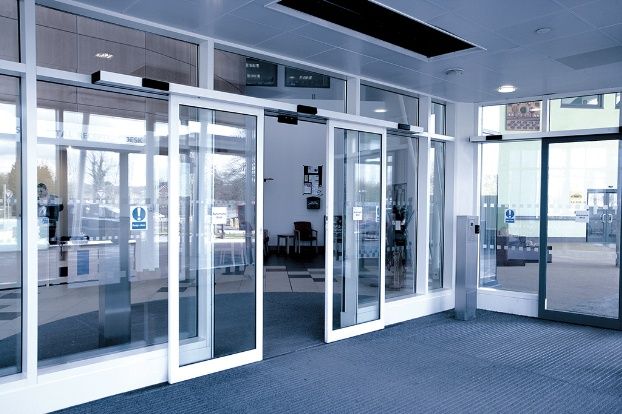
You must have had this experience in your lifetime when you are walking to a building or out of a grocery store with both your hands busy, and the doors just slide open and you pass through without any inconvenience. That is the ease of entry that is provided by automatic systems. Mechanical doors have not only paved their way in the mainstream architecture of shopping malls, but also in hospitals, as well as in even small stores. These auto door systems in commercial areas not only enhance ease of access, but also enhance energy savings, besides convenience. Here, we are going to talk about the various models of auto doors, their advantages, and a few maintenance tips that you can use, just so that you can be able to enjoy the best of your investment. Key Takeaways Energy savings of 30-43% through controlled airflow and quick closing within 2-3 seconds Multiple door types, including sliding, swing, revolving, folding, and specialized options for different needs Touchless operation reduces germ transmission and improves hygiene in all environments. Regular maintenance, including quarterly sensor cleaning and annual inspections, ensures a 10-15 year lifespan. What Are the Different Types of Automatic Doors? The selection of the appropriate automatic door is determined by your space needs, traffic flow, and looks. Traffic Capacity: Sliding doors have the capacity to accommodate 1000 people every hour in busy retail settings. With high energy efficiency, revolving doors can fit 2,000 people per hour. The swing doors are efficient for a traffic of 300-500 people/hour. Space Requirements: Sliding doors require the same width of space as the door width on each side. The folding doors can be fully opened and are also very small- space-wise- ideal in the narrow store fronts. Telescoping doors offer wide openings in compact footprints. Key Benefits of Automatic Door Systems for Businesses and Homes For businesses, key benefits include: Energy-conserving: Save on energy up to 30-43% of the amount spent on manual doors. Their opening time is only when necessary, and it takes 2-3 seconds instead of 8-12 seconds for the manual doors. This will be hundreds or thousands of savings annually, depending on the weather and traffic. Accessibility Compliance: They remove the obstacles that affect wheelchair users, elderly members, persons who have a stroller, and those carrying things with them. They make sure that accessibility regulations are met, so as to prevent any legal complications and costly retrofitting. Hygiene Protection: Touchless operation eradicates high-contact surfaces transmitting germs. This is significant throughout the year, during cold seasons and during flu seasons, particularly in medical centers and food service establishments. Operational Efficiency: Staff have lost the need to break into work and help people at the door. The first impressions of the professionals are made as the doors open without any problems. Security integration is also convenient and provides control over access. Common Automatic Door Systems It is important to understand that when it comes to choosing the right auto door, there is no one-size-fits-all solution. There are different types of buildings and spaces that might require different solutions, so you have to tailor them accordingly. Here are some of the common types of mechanical doors: 1. Sliding Automatic Doors The ideal remedy is in high-traffic places like malls, airports, or hospitals. Putting in place sliding auto doors will help save space and make the entry and exit seamless, and individuals can also prevent contagious diseases since their process will not involve human interference. 2. Swing Automatic Doors Swing auto-doors would be a perfect replacement for the manual doors in existence. By fitting an operator, a standard hinged door can be converted into a convenient and handicapped-friendly, easy-to-use solution, such that they do not need to open and close the door using their hands. It is an effective solution that is also cost-effective. 3. Revolving Automatic Doors They are best for spaces that are large, such as commercial buildings and big corporate offices. These revolving auto doors maintain internal temperatures, reduce drafts, and most importantly, they help in saving energy while looking classic. 4. Folding Automatic Doors When you are working with folded doors, you must know that they are the best solution for spaces with limited space. Auto door systems with folding designs that offer functionality without taking up any extra space, leaving room in your space. 5. Specialised Reflex Doors This includes door solutions for clean rooms and industrial environments where hygiene and safety are a top priority. Essential Maintenance Tips for Automatic Doors to Ensure Longevity You do not have to work hard to ensure that your auto doors are maintained. Here’s what you need to do: Wash sensor lenses after every month in case of failures to detect. Have your equipment professionally inspected once a year the issue safety issues. Clean and empty keep sliding door tracks. Quarterly test emergency backup systems. Oil the moving parts every six months. Provide training to train employees on how to operate them and simple troubleshooting. Regular services prolong the lifespan of your system to 10-15 years and eliminate expensive emergency services. How to Choose the Right Automatic Door System for Your Building The first step in selecting the appropriate door is to know your area and the traffic flow. Busy shopping centers require sliding doors with a capacity of 1,000 or more people per hour, and offices with few people per office can use swing or sliding doors. Think about the space you have available to you. Sliding doors require space against the wall, folding doors maximize small spaces, and revolving doors need circular areas. Factor in your climate, too. Major weather conditions require high sealing and weatherproof elements. There are the energy efficiency, accessibility requirements, and budget. Safety Features and Compliance Standards for Automatic Doors Modern doors come packed with safety features that protect users and ensure regulatory compliance: Obstacle detection sensors stop doors when resistance is detected Adjustable closing speeds accommodate different user needs Force limiters prevent injury from closing doors Emergency
Safety Features to Look for in Auto Curved Door Systems
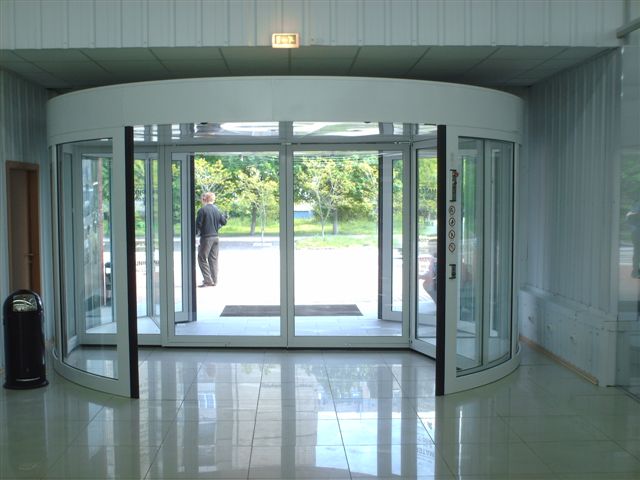
When it comes to door systems, auto curved doors represent a perfect blend of elegance and safety. Whether you are designing a building’s entrance or upgrading your existing setup, automatic curved doors offer a unique look. However, with their sophisticated design and heavy use in commercial and residential buildings, it is important to ensure that they are safe to be used by everyone, regardless of what physical or mobility challenges they are going through. The safety features of auto curved doors are paramount, especially when they are used in high-traffic areas like malls, airports, or office buildings. In this article, we will tell you some safety features to look into in auto curved systems. Make sure to read it till the end, as we have also discussed why these safety features are important. Why Are Safety Features Critical in Auto Curved Doors? Wondering about the science behind the use of curved doors? We have explained it below. Curved entry doors, whether in a commercial or a residential space, are not only designed to fulfill the demand of aesthetics, but they are also used for efficiency. Their smooth operation and attractive design make them an ideal use case for high-traffic areas. When working with automatic systems, it is important to focus on safety features that protect pedestrians and users of all ages, which ensures that they remain functional in different environments. Key Safety Features to Consider in Automatic Curved Doors 1. Safety Sensors A primary concern for automatic curved doors is ensuring that they do not cause harm when they open or close. Safety sensors are a vital feature to prevent such accidents. The primary purpose of adding these sensors to the door is that they detect obstacles in the door’s path and automatically stop the motion in case of a positive result, which decreases the chances of collision. You can take it as a commercial curved door at a busy shopping mall that uses infrared sensors to check when the customer is too close. This way, they controlled the door from closing, which reduces the chances of accidental closures or pinches. Most of the curved sliding door system safety mechanisms rely on sensors such as infrared beams and pressure-sensitive mats. They help to identify any obstacles that come in the door’s way so that it won’t close when someone is on their way or near the door. 2. Automatic Reversal Mechanism Another important feature is the automatic reversal function. In this mechanism, if the door detects resistance, it will automatically reverse its direction. This feature is highly useful in areas of high traffic, such as places where people often pass every time, such as corridors and lobbies. In a residential curved door installed at a luxury apartment building, the automatic reversal system would ensure that the door would reverse if the belongings of any person are left in the doorway. It ensures that the person and the door both remain unharmed. 3. Smooth and Controlled Motion It is important to ensure that the curved doors move smoothly, which makes a controlled speed immensely important. You must understand that slamming or jerky movements can lead to accidents and injuries. High-quality systems are designed with speed regulators to ensure that the doors open and close in a smooth and slow manner. Take it as if a hospital’s emergency ward has doors that open and shut quickly or with uncontrolled speed, it might harm the patients or make them move too fast, which might not be possible in case of severely ill patients. If the curved aluminium doors were equipped with speed control mechanisms, they would make sure the door never closes too fast. It would prevent any potential injury to patients and healthcare professionals. 4. Compliance with Revolving Curved Door Safety Standards Revolving curved doors are another common type of automatic curved door entry. These doors are particularly popular in office buildings and airports due to their ability to manage heavy traffic. However, it is important to know that revolving curved doors come with their own set of precautions and safety standards. These safety standards ensure that the panels of the door are precisely spaced. It prevents the risk of trapping limbs or other body parts. Modern revolving doors come with sensors that detect any force or obstruction in their path, immediately halting their movement. ADA Compliance Requirements for Curved Doors ADA compliance (Americans with Disabilities Act) ensures that all doors, entry, and exit points must be accessible to people with disabilities. Curved doors, both automatic and manual, must meet specific standards: Clear opening width: It is important to ensure that the door has a wide enough opening that a wheelchair can be passed easily. Ease of Operation: The door must be easy to operate, especially for people who have mobility challenges. Sensor Accessibility: Automatic curved door sensors are placed in a way that they are accessible to all individuals. Frequently Asked Questions (FAQs) Q: What Safety Sensors Are Used in Automatic Curved Doors? A: The safety of automatic curved doors relies heavily on the type of sensors used. The common technologies that are often used include infrared sensors, pressure sensors, and motion sensors. Q: How to Comply with Safety Standards for Curved Glass Doors A: When installing curved doors, it is important to comply with safety standards such as using safety-rated materials to prevent shattering, installing safety sensors to minimize the risk of injury, and implementing safety barriers to avoid accidents. Q: Is it important to ensure ADA compliance? A: Yes, it is important to ensure ADA compliance as this helps to ensure that every citizen gets their basic right without any discrimination based on physical or mobility challenges. Non-compliance might lead to fines and penalties. Q: How would the reversal mechanism react after identifying a body nearby? A: The auto-reversal mechanism would reverse the direction of the door and open it to let the person pass through the door without any hassle. Final Words It is important to understand
How Swing Door Operators Enhance Accessibility in Commercial Spaces

There are several modern commercial designs to choose from, but the most important thing that you must consider is accessibility. Businesses and public buildings are increasingly adopting features that would make their spaces easier to navigate, especially for people with mobility challenges. One such innovation that has gained attention over time is the swing door operator. This automated door significantly improves the convenience, safety, and overall experience for visitors in commercial settings. In this blog post, we will discuss how these door operators have enhanced accessibility in commercial spaces. Make sure to keep reading till the end, as we have discussed all the points with attention to detail. What Is a Swinging Door Operator? Before we dive into how such door operators enhance accessibility, let’s have a closer look at what exactly a swinging door operator is. A swing door operator is a device that is installed to automate the process of swinging doors. It enables the doors to open and close automatically without the need for manual intervention. The system that moves behind these automatic doors is totally motorized. It makes these doors a great solution for those who have challenges while moving, or someone who does not have the capability to push or pull the doors. Using these doors provides a quick yet simple solution to be used at places where accessibility is a top priority. Hospitals, malls, airports, and multi-national companies are some places where these doors are highly used, as this ensures that entry, exit, and everyday operations do not get hindered because of poor foot traffic management. How Do Automatic Swing Door Operators Work? At the heart of an automatic door system is the automatic door operator, which drives the entire mechanism. The system works by using sensors, motion detectors, and push buttons so that it can respond when someone is approaching. Once the person passes through the door, the mechanism ensures that it is closed after a minor delay so that a smooth flow of traffic can be maintained. The automatic door mechanism is designed to operate quietly and efficiently, and the motors used are quite efficient, which means they use minimum energy while providing you with maximum performance, which also makes them an eco-friendly option. The Benefits of Installing Automatic Swing Door Operators The idea of installing automatic doors in your commercial space offers numerous benefits that enhance both accessibility and functionality. Below, we have shared some key benefits. Improved Accessibility One of the primary reasons for installing automatic door operators is to make your space more accessible. Whether it is for a person in a wheelchair or someone else walking using a stick or a walker, or simply someone passing by whose hands are full, these doors eliminate the need to manually push them open or close. When someone approaches the door, it automatically opens and shuts when they have passed. This improves the accessibility for all individuals and makes the place more welcoming and inclusive. Aesthetics and Modern Appeal Automatic doors are a sleek yet minimal addition to your space. It provides a modern yet clean touch to the overall infrastructure of the building, making sure it looks modern and always reflects a commercial touch. Whether you are installing double commercial swinging doors or simple commercial swinging doors, they are a sophisticated addition to your space. Enhanced Safety When working with automatic doors, the chances of accidents are thoroughly reduced, as people with limited mobility or physical challenges do not have to work with the door and can pass easily. The automated system ensures that the door opens and closes efficiently without slamming and with instant closure, which reduces the chance of accidents. Increased Traffic Flow In commercial areas, heavy foot traffic can often lead to bottlenecks, especially during peak hours. Automatic doors are designed to alleviate this issue by allowing smooth and continuous movement, which enhances the flow of people, whether they are going in or coming out. This reduces hassle and ensures that the day-to-day operations of every individual are not disrupted because of poor foot traffic management. Energy Efficiency Many of the newer swing door operator systems are designed with energy conservation in mind. These systems keep the door closed when not in use, which reduces the amount of energy lost through open entrances. In addition to this, automatic sensors ensure that doors only open when there is someone to pass through them; otherwise, they are closed, which prevents unnecessary heating and cooling in the building. Swing Door Operator Installation It is a little obvious that after reading so much about how these doors can enhance accessibility, you would think about their installation. Your point is valid, as their installation can be a hard task if the right professionals are not chosen. Installing an automatic door requires professional expertise. Proper installation ensures that the system functions smoothly and aligns well with all the safety and accessibility standards. There are several factors on which automatic door installation is dependent, such as the type of building and the type of doors that are to be added. However, it is important to always take help from a certified technician who can handle the setup well and, most importantly, knows what they are working with. The technician should know how to ensure optimal performance with compliance regulations. Frequently Asked Questions Q: How much do automatic swing doors cost? A: Automatic doors do not have a specified cost, as there are several factors involved in making the final bill, such as the size of the door and the level of quality used, among others. Q: Can the team auto-ingress come on-site to take measurements? A: Yes, our team can visit your site and take precise measurements so that you can get a door that fully fits in your space. Q: How much time does a typical quick swing door installation take? A: A typical automatic door installation takes around one to two days, or might take less, depending on the complexity of
How Can Automatic Swing Doors Improve Accessibility
How Can Automatic Swing Doors Improve Accessibility Ever found yourself juggling a million things, only to get stuck struggling with a heavy door? Or seen someone in a wheelchair pause because the door won’t open? It’s a little thing, but honestly, doors can be one of the biggest annoyances when they don’t work for everyone. That’s why automatic swing doors are such a lifesaver—they take the hassle out of coming and going. This makes every entrance and exit smoother and way more accessible. In this blog, I’ll show you how automatic swing doors can transform accessibility at home, in offices, and in public spaces. We’ll cover why a good operator matters, what makes ADA-compliant swing door openers so important, and how these doors boost safety and energy efficiency. By the end, you’ll see why choosing a low profile automatic door operator or a heavy duty door operator might be the upgrade your space really needs. Essential Takeaways Automatic swing doors give you hands-free, effortless access—especially helpful for folks with disabilities. ADA-compliant door openers keep things safe and help you meet legal accessibility rules. Getting the right operator and a proper install are what make all the difference in the long run. Automatic doors save energy by cutting down on air escaping and easing the load on your HVAC. What Are Automatic Swing Doors? So, these doors basically open and close all by themselves—no pushing or pulling needed. Unlike those sliding automatic doors you see at malls, these ones swing open just like a regular door. The trick is, they have a motor and sensors that sense when you’re coming and do the work for you. They come in all shapes and sizes. You’ve got residential automatic swing door openers for folks who need a little extra help getting in and out at home. Then, on the other end, there are sturdy commercial swing doors built for places that see a lot of foot traffic, like hospitals or offices. No matter where they’re installed, these systems make sure nobody’s stuck wrestling with a heavy door. Honestly, they’re a simple but smart way to make life easier for everyone. How Do Automatic Swing Doors Enhance Accessibility Accessibility is really about making sure everyone can use a space comfortably, no matter what physical challenges they might have. Auto doors are kind of a simple but brilliant fix for a lot of the usual problems people face when trying to get through doors. Effortless Entry and Exit If you or someone you know uses a wheelchair, walker, or crutches, you probably get how tricky regular doors can be. They’re heavy, sometimes awkward, and you might need help just to get through. But with automatic sensors, the door just senses you’re there and opens up. No struggling, no asking for a hand—just smooth, easy access. Hands-Free Convenience Imagine having your hands full—maybe you’re carrying groceries, holding a kid’s hand, or juggling tools. Opening a door in those moments feels impossible sometimes. An auto swing door solves that by opening automatically. You just walk in, no fumbling or dropping stuff. It’s honestly a little thing that makes a big difference. Inclusive Design These doors aren’t just convenient—they’re designed to meet rules like the Americans with Disabilities Act (ADA). That means businesses with a swing door operator installed are following the law. This ensures that disabled folks, older people, and anyone else can get in without hassle. It’s about being thoughtful and fair. The National Council on Disability found that millions of Americans face exclusion because entrances aren’t accessible. That’s a huge deal. Automatic doors help fix that by bridging the gap and making spaces welcoming for everyone. Benefits of ADA-Compliant Swing Door Openers When we talk about making spaces accessible, ADA compliance is pretty much the gold standard. The ADA makes sure public places don’t leave anyone out. So, why do ADA-compliant door operators really matter? Easy-to-Use Controls: Most of these door openers come with simple push buttons or sensors that do all the work for you. You don’t have to struggle, which is a huge help if you’ve got limited strength or shaky hands. Adjustable Speed and Force: To keep things safe, these doors can open slower or not swing too far, so nobody gets caught off guard or hurt. It’s a small thing that makes a big difference. Reliable Operation: These doors are built tough to handle busy places. You can count on them to open and close right when you need them, no messing around. Legal Peace of Mind: And honestly, if you’re running a business, having ADA-compliant doors means you won’t have to worry about fines or legal trouble for accessibility issues. How Can Automatic Doors Improve Safety in Public Spaces Auto swing doors don’t just make things easier—they actually make places safer too, in a bunch of ways. First off, opening a heavy door by yourself can be a real strain. People slip, trip, or sometimes even hurt themselves trying to get through. But with an automatic operator, you don’t have to push or pull, so those risks pretty much disappear. Then, think about places like hospitals or grocery stores where cleanliness is huge. Auto doors mean fewer hands touching the handles, which helps cut down on spreading germs. It’s kind of a small thing that makes a big difference, especially these days. Plus, in an emergency, these doors can unlock and swing open fast. That way, everyone can get out quickly without any hassle. And honestly, some systems come with glass panels or slim frames so you can see who’s on the other side. That helps avoid those awkward or even dangerous collisions when you don’t know if someone’s coming through. Installation Requirements for Automatic Swing Doors Before you get an automatic door installed, there are a few things you’ll want to think about: Door Size and Weight The size and what your door is made of really matter when picking the right operator. If your door’s on the